
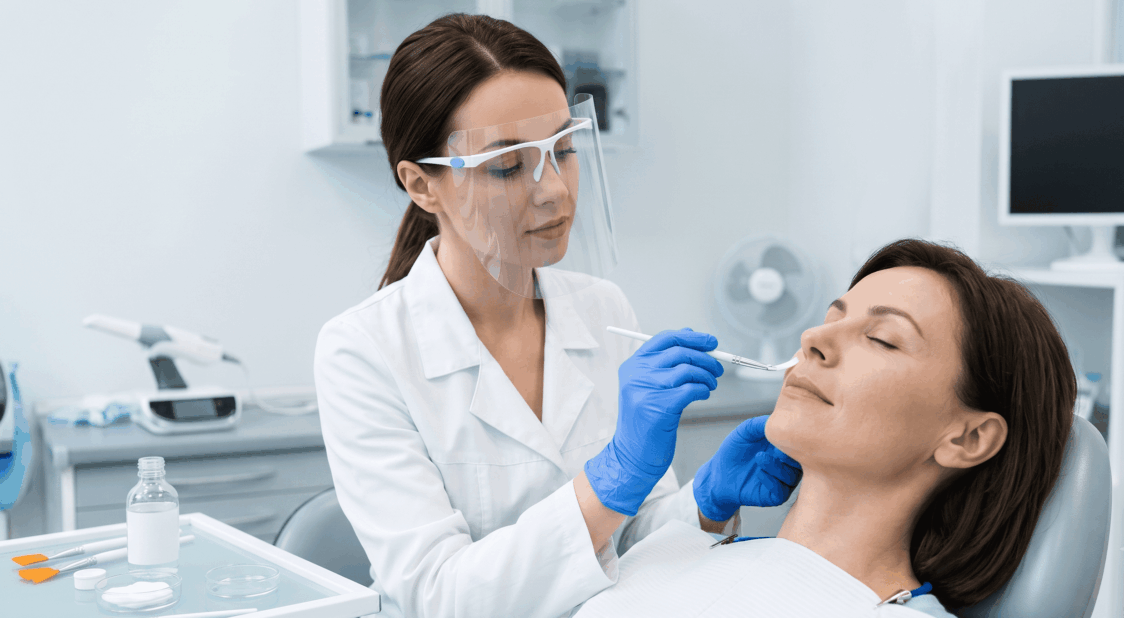
Chemical peel treatment has a reputation problem, of sorts. Mention it to most people and the immediate association is usually cosmetic, a way to brighten dull skin or add a bit of glow before a big event. What gets overlooked is just how genuinely broad and clinically established this treatment actually is, addressing a wide range of specific, diagnosable skin conditions well beyond simple radiance, many of which are especially relevant to skin problems in 2026 as Dubai’s residents contend with intense year-round sun exposure, air quality challenges, and increasingly sophisticated skincare expectations.
At Premium Cosmetic Laser Center, patients are often surprised to learn just how many distinct skin concerns a properly selected chemical peel can genuinely address, sometimes as effectively as, or in combination with, more expensive or invasive treatments. This guide walks through exactly which conditions respond well to peel treatment, which specific type of peel suits which concern, and what realistic outcomes actually look like.
Understanding How Chemical Peels Work as Medical Treatment, Not Just Cosmetic Polish
Before covering specific conditions, it helps to understand why chemical peels genuinely qualify as medical treatment for certain skin conditions, not simply a cosmetic add-on. A chemical peel works by applying a controlled acid solution to the skin, causing a deliberate, managed level of injury to the outer skin layers. As the skin heals from this controlled injury, it sheds the damaged, affected layer and replaces it with fresher, healthier skin, while simultaneously triggering increased collagen production in the deeper dermal layer.
This mechanism is genuinely versatile because it addresses problems occurring at different depths within the skin. Superficial concerns, like mild texture irregularities or surface pigmentation, respond well to gentler, shallow peels. Deeper concerns, like more stubborn pigmentation disorders or established acne scarring, generally require a stronger, deeper peel capable of reaching the affected tissue more directly. Understanding this depth-dependent relationship is exactly why dermatologists treat peel selection as a genuine clinical decision, not a one-size-fits-all cosmetic service.
Acne and Active Breakouts
Chemical peels, particularly those formulated with salicylic acid, are genuinely effective for active acne, and this effectiveness comes down to the specific properties of this particular acid. Salicylic acid is oil-soluble, meaning it can penetrate directly into oil-clogged pores in a way water-soluble acids cannot, combined with genuine anti-inflammatory and antibacterial properties that directly address the bacterial and inflammatory components driving active breakouts.
For patients dealing with ongoing acne, particularly oilier skin types prone to clogged pores and blackheads, a series of salicylic acid peels can meaningfully reduce active breakout frequency and severity over the course of treatment. This makes salicylic acid peels a genuinely strong option specifically for acne-prone patients, distinct from the acid types more commonly used for pigmentation or aging concerns.
Acne Scarring
Once acne has resolved but left behind textural scarring, a different category of chemical peel becomes relevant. Medium-depth peels, most commonly formulated with trichloroacetic acid, work by delivering controlled injury deeper into the skin, prompting the collagen remodeling process that gradually fills in and smooths the depressed, uneven texture acne scarring typically leaves behind. This is a genuinely different mechanism than the salicylic acid peels used for active breakouts, which is why treatment sequencing matters, addressing active acne first, before shifting focus specifically to the resulting scar tissue.
Results for acne scarring generally build gradually across a series of sessions rather than appearing after a single treatment, since the underlying collagen remodeling process genuinely takes time to develop and mature beneath the surface.
Melasma and Stubborn Hyperpigmentation
Melasma, a chronic condition producing brown or grayish-brown patches typically appearing on sun-exposed areas of the face, represents one of the more clinically significant conditions chemical peels are used to treat, and one that is particularly relevant given Dubai’s intense, near-constant sun exposure throughout the year. Current clinical evidence points toward superficial glycolic acid peels as particularly well supported for melasma, especially when used alongside proper sun protection and topical depigmenting treatment rather than as a standalone solution.
For more stubborn, treatment-resistant melasma, medium-depth TCA peels at specific concentrations, sometimes combined with topical tranexamic acid, have shown meaningful, well-documented improvement in recent clinical research, in some studies outperforming alternative approaches like cryopeeling in terms of consistent pigment clearance. It is worth being clear that TCA carries a narrower safety margin in darker skin phototypes specifically for melasma treatment, which makes proper concentration selection and an experienced provider particularly important for Dubai’s genuinely diverse patient population.
Post-Inflammatory Hyperpigmentation
Distinct from melasma, post-inflammatory hyperpigmentation refers to dark spots left behind after skin inflammation has healed, commonly following acne breakouts, minor injuries, or other inflammatory skin events. Salicylic acid peels are particularly well suited to this specific condition, given their combined keratolytic and anti-inflammatory properties, and clinical case studies using targeted chemical peel treatment, sometimes combining trichloroacetic acid with lactic acid in a spot-treatment approach, have documented genuine, measurable improvement in these hyperpigmented areas across a series of sessions.
Sun Spots, Age Spots, and Photoaging
Given Dubai’s climate, cumulative sun damage represents one of the most common reasons patients seek chemical peel treatment in the first place. Chronic ultraviolet exposure produces sun spots, also called solar lentigines, alongside broader signs of photoaging, including rough texture, dullness, and an overall uneven skin tone. Superficial and medium-depth peels both address this category effectively, exfoliating away the pigmented, sun-damaged outer layer of skin while stimulating fresher, more evenly toned skin to develop beneath it.
Evidence specifically addressing solar lentigines and related sun-damage pigmentation continues to grow, and while some of this research remains less standardized than the stronger evidence base for melasma treatment, clinical experience consistently supports chemical peels as a genuinely effective option for this extremely common concern among Dubai’s sun-exposed population.
Fine Lines and Early Signs of Aging
Beyond pigmentation, chemical peels genuinely help address fine lines and early textural signs of aging, primarily through the collagen stimulation triggered by the skin’s controlled healing response following treatment. While peels are generally not positioned as a replacement for more targeted anti-aging treatments addressing deeper, more established wrinkles, they offer a genuinely effective option for softening finer lines and improving overall skin texture and firmness, particularly as part of a broader, combined skin rejuvenation Dubai treatment plan.
Rough Texture and Dullness
Even without a specific diagnosed condition driving it, general rough texture and a dull, tired-looking complexion respond well to chemical peel treatment, since the exfoliation process directly removes the buildup of dead, dull surface cells that contribute to this appearance. This is often the most immediately noticeable benefit patients report following even a single superficial peel session, a visibly brighter, smoother complexion within days of treatment, even before the deeper, more gradual benefits addressing pigmentation or texture fully develop.
Enlarged Pores and Oily Skin
Patients dealing with visibly enlarged pores and persistently oily skin often see genuine improvement from a series of salicylic acid peels specifically, given this acid’s oil-soluble properties and its ability to penetrate directly into and help clear congested pores. While a chemical peel cannot permanently change pore size, which is largely determined by genetics and skin structure, regular treatment can meaningfully reduce the appearance of congestion and minimize how enlarged pores appear by keeping them cleaner and less obstructed over time.
Actinic Keratosis
Actinic keratosis, a rough, scaly patch of skin caused by cumulative sun damage that carries a small but genuine risk of progressing toward skin cancer if left untreated, represents one of the more medically significant conditions chemical peels are used to address. Medium-depth peels have an established, recognized role in treating actinic keratosis, though this specific application requires proper medical evaluation and diagnosis before treatment, since distinguishing actinic keratosis from other, less concerning forms of rough, sun-damaged skin genuinely requires professional clinical assessment.
What Chemical Peels Generally Cannot Fully Resolve
It is equally important to be clear about the limits of what chemical peel treatment can realistically achieve. Deep, significant wrinkles and substantial skin laxity generally respond better to more targeted anti-aging treatments than to peels alone, since peels primarily work at a surface and mid-dermal level rather than addressing deeper structural skin changes. Deep, pitted acne scarring may also require peels used specifically as part of a broader combined treatment plan, alongside options like microneedling or laser resurfacing, rather than peels alone achieving complete correction. And any suspicious, changing, or concerning skin lesion should always be properly evaluated by a qualified dermatologist before assuming a chemical peel is the appropriate treatment path.
Why Proper Diagnosis Matters More Than Product Selection
Given how many genuinely different skin conditions chemical peels can address, and how differently each condition needs to be approached in terms of acid type, concentration, and treatment depth, a proper diagnosis before treatment matters enormously. Melasma and post-inflammatory hyperpigmentation, for instance, can look superficially similar to an untrained eye, yet respond best to somewhat different peel approaches, and applying the wrong protocol can genuinely worsen certain pigmentation conditions rather than improve them, particularly in darker skin phototypes common across Dubai’s diverse population.
At Premium Cosmetic Laser Center, every chemical peel treatment plan begins with a proper clinical assessment to accurately identify which specific condition, or combination of conditions, is actually present, ensuring the acid type, concentration, and treatment depth genuinely match your skin’s specific diagnosis rather than applying a generic, one-size-fits-all protocol regardless of the underlying cause.
Final Thoughts
Chemical peel treatment addresses a genuinely broad range of diagnosable skin conditions, active acne, acne scarring, melasma, post-inflammatory hyperpigmentation, sun spots and photoaging, fine lines, rough texture, enlarged pores, and even actinic keratosis, extending well beyond its more commonly known reputation as a simple radiance booster. Given how relevant several of these conditions are to Dubai’s intense sun exposure and climate specifically, understanding the genuine range of what a properly selected peel can address is worth knowing before assuming any particular skin concern requires a more invasive, more expensive treatment path.
If you are dealing with a specific, persistent skin concern and have not yet explored whether chemical peel treatment could genuinely help, it is worth a proper consultation to find out. At Premium Cosmetic Laser Center, our team can accurately assess your specific skin condition and recommend the peel type and treatment plan genuinely suited to resolving it.
Frequently Asked Questions
- Can a chemical peel treat both active acne and acne scarring?
Yes, but generally through different approaches. Salicylic acid peels are particularly effective for active acne given their oil-soluble, anti-inflammatory properties, while acne scarring, once breakouts have resolved, typically responds better to medium-depth peels like trichloroacetic acid, which stimulate the deeper collagen remodeling needed to smooth textural scarring.
- Is melasma treatable with a chemical peel, or does it always come back?
Chemical peels, particularly glycolic acid combined with proper sun protection and depigmenting treatment, can meaningfully improve melasma, though it is a chronic, relapse-prone condition that often requires ongoing maintenance treatment and diligent sun protection to keep results lasting, especially in a consistently sun-intense climate like Dubai’s.
- What is the difference between melasma and post-inflammatory hyperpigmentation?
Melasma is a chronic hormonal and sun-triggered condition producing broader brown or grayish patches, often on both sides of the face, while post-inflammatory hyperpigmentation refers to localized dark spots left behind after a specific inflammatory event, such as a healed acne breakout or minor skin injury. Both respond to chemical peel treatment, but the specific acid type and protocol used often differs between the two conditions.
- Can a chemical peel actually treat actinic keratosis, or only cosmetic concerns?
Medium-depth chemical peels do have an established, medically recognized role in treating actinic keratosis, a sun-damage related condition with a small risk of progressing further if untreated. However, this requires a proper diagnosis from a qualified provider beforehand, since actinic keratosis needs to be correctly distinguished from other forms of rough, sun-damaged skin before determining that a peel is the appropriate treatment.
- Are chemical peels safe for treating pigmentation in darker skin tones?
Yes, when the right acid type and concentration are selected. Certain peels, like glycolic acid, generally carry a wider safety margin across skin tones, while others, like higher concentration TCA, require more careful selection and experienced clinical judgment in darker phototypes specifically for pigmentation conditions like melasma, making a proper consultation particularly important for Dubai’s diverse patient population.
- How do I know which type of chemical peel is right for my specific skin concern?
This genuinely requires a proper clinical assessment rather than self-selection, since conditions that can look similar, like melasma and post-inflammatory hyperpigmentation, often respond best to different peel types and protocols. A qualified provider can accurately diagnose your specific condition and recommend the acid type, concentration, and treatment depth genuinely suited to resolving it.
