
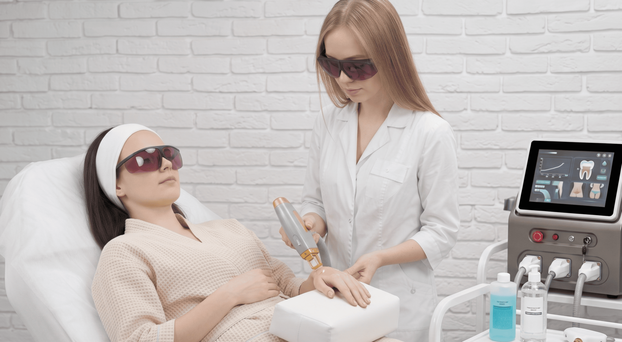
Most of the advice patients receive about laser hair removal focuses on the appointment itself, what to expect, how long it takes, how many sessions you will need. Far less attention goes to the weeks in between, the stretch of time that actually determines whether your results progress smoothly or whether you spend your next appointment dealing with irritation, ingrown hairs, or uneven patches that could have been avoided entirely.
At Premium Cosmetic Laser Center, this is one of the most valuable, and most overlooked, conversations we have with patients undergoing a full course of laser hair treatment Dubai clients typically complete over several months. The truth is that what you do between sessions genuinely affects both your comfort and your final results, sometimes as much as the treatment itself. This guide walks through exactly how to care for your skin during that in-between period, broken down by timeframe, so you know precisely what to do and when.
Why the In-Between Period Genuinely Matters in Laser Hair Removal
Laser hair removal works by targeting hair follicles during their active growth phase, and because hair grows in staggered cycles across your body, a full course typically requires six to eight sessions spaced several weeks apart to catch the majority of follicles as they cycle through. This means your skin spends far more total time in the recovery and maintenance period between appointments than it does actually being treated, which is exactly why proper care during this stretch matters so much for your overall outcome.
Skin that is properly protected, hydrated, and gently maintained between sessions heals more comfortably, sheds treated hair more effectively, and arrives at each subsequent appointment in better condition to respond well to treatment. Skin that is sunburned, irritated, or improperly cared for between sessions can actually work against your progress, sometimes forcing a session to be postponed entirely if the skin is not in a safe, stable condition for treatment.
The First 24 to 48 Hours: Calm, Cool, and Minimal
Immediately following a session, your treated skin is at its most sensitive, and the guiding principle for this initial window is genuinely simple. Do less, not more. Mild redness, slight swelling, and small bumps around individual follicles are completely normal and expected during this period, and mild redness or swelling usually subsides within a few hours, though in some cases it can continue into the next day or two.
Cooling the area gently, using a clean, cool compress or a soft cloth rather than applying ice directly to the skin, and using a cooling gel after treatment if needed, helps calm any redness or mild discomfort during the first day. Keep the area clean and dry, using only a gentle, fragrance-free cleanser rather than scrubbing or using harsh products. Avoid hot showers, baths, saunas, and steam rooms for at least 24 to 48 hours, since heat exposure during this window can genuinely worsen redness and irritation, and lukewarm water is a considerably safer choice during this early recovery period. If you need to go outside, apply SPF 30+ once the skin can tolerate it.
It is generally best to leave the treated area free of most products during these first 24 hours, aside from soothing aloe vera or cooling gel if you want something simple to calm lingering redness or warmth. Resist the temptation to apply a heavier moisturizing lotion immediately after treatment, since freshly treated skin can sometimes react to added product before it has had a chance to settle, and a simple, minimal approach genuinely works best during this specific window.
Days Three Through Seven: Gentle Hydration, Still No Harsh Products
Once the initial redness has calmed, typically within a day or two, your focus shifts toward gentle, consistent hydration rather than active treatment of any kind. Moisturizing daily with a gentle, fragrance-free, non-comedogenic lotion helps your skin heal properly and stay comfortable, since well-hydrated skin genuinely recovers more smoothly than dry, undernourished skin during this period.
This is also the window where avoiding harsh, active skincare ingredients matters most. Retinoids, alpha hydroxy acids, beta hydroxy acids, and benzoyl peroxide should all be avoided on the treated area for at least five to seven days following a session, since these ingredients can further irritate skin that is still in an active healing process. Similarly, avoid physical exfoliation, scrubs, loofahs, or exfoliating brushes, on the treated area during this early period, even though shedding hair might make exfoliating feel tempting. Introducing exfoliation too early can actually disrupt the healing process rather than help it along.
Sun protection becomes genuinely critical starting immediately and continuing throughout this entire window. Treated skin is considerably more vulnerable to ultraviolet damage during this recovery period, and unprotected sun exposure can lead to pigmentation changes or irritation that are entirely avoidable with consistent daily sunscreen use, helping protect healthy skin and reduce skin irritation while the area is more reactive, even on days when you are simply running errands rather than spending extended time outdoors.
Understanding Shedding: What Is Normal and What Is Not
Somewhere between a few days and a couple of weeks after a session, you will likely notice what looks like hair regrowth in the treated area. This is genuinely one of the most common sources of confusion and unnecessary concern among patients, so it is worth explaining clearly. In the large majority of cases, this is not new hair growth at all. It is the treated hair being naturally shed and pushed out of the follicle because the laser targets pigment in the hair shaft and affects the follicle, a sign that your treatment is actually working as intended, not a sign that it failed.
This shedding process typically continues for one to two weeks following a session. As part of the laser hair removal procedure, this delayed shedding should not be mistaken for immediate regrowth. Once the initial sensitive period has passed, generally around one week after treatment, gentle exfoliation, using a soft washcloth or a mild exfoliating product rather than anything aggressive, can genuinely help loosen and clear shedding hairs, making the process feel smoother and less prone to becoming trapped beneath the skin. It is worth being patient here rather than judging a session’s effectiveness too early, since the shedding process needs time to complete fully before you can accurately assess your actual results.
The Weeks Leading Up to Your Next Session
As you approach your next scheduled appointment, a few specific habits genuinely support both your comfort and your treatment’s effectiveness. Shaving between sessions is perfectly fine, and in fact recommended, whenever you want to manage visible hair growth, since shaving cuts hair at the surface without disturbing the follicle itself. Patients are also usually advised to shave the treatment area about 24 hours before the next appointment. What you should genuinely avoid, however, is waxing, tweezing, threading, sugaring, or using any hair removal method that pulls the hair out from the root, for the full duration of your treatment course. These methods physically remove the hair follicle’s root, meaning there is nothing left for the laser to target at your next session, which can genuinely undermine the progress you have already made.
Continuing daily sun protection throughout the entire stretch between sessions, not just immediately after each appointment, matters just as much as the initial post-treatment window. Your skin needs to be at, or very close to, its natural, untanned baseline tone at every single session for treatment to be both safe and genuinely effective, which means consistent, ongoing sun protection between appointments is not optional if you want to stay on track with your treatment schedule without any session needing to be postponed due to tanned or sunburned skin. Laser hair removal treatment plans and pricing vary by treatment area, number of sessions, and the clinic’s expertise and technology, so a consultation is used to confirm the most suitable package, explain how many clients achieve up to 90% hair reduction after 6–8 sessions when they follow the plan consistently, and set expectations that reaching smooth skin and hair free skin typically takes 6 to 10 sessions depending on the area and hair pattern.
Managing Ingrown Hairs Between Sessions
Ingrown hairs can still occur during a laser hair treatment course, particularly in areas like the bikini line or underarms where friction and hair texture play a larger role than simple exfoliation habits alone. If you notice ingrown hairs developing between sessions, gentle, consistent exfoliation once your skin is fully calm, generally starting around a week after treatment, genuinely helps reduce their frequency, though it is worth recognizing that friction from tight clothing is often a bigger contributing factor in these specific areas than exfoliation alone can fully address.
Choosing loose, breathable clothing over tight, synthetic fabrics, particularly in the days immediately following a session, reduces friction against sensitive, healing skin and genuinely helps minimize both irritation and ingrown hair formation. This simple wardrobe adjustment, easy to overlook, often makes a more noticeable difference than any specific skincare product for these particular problem areas.
Building a Simple, Sustainable Routine
One of the most reassuring things to understand about skin care between laser hair treatment sessions is that it genuinely does not require an elaborate or expensive routine. A consistently gentle, straightforward approach, daily moisturizing with a fragrance-free lotion, consistent sun protection, avoiding harsh active ingredients on treated areas, and gentle exfoliation only once your skin has fully calmed, tends to produce more reliable, predictable results than an aggressive or frequently changing skincare regimen.
In fact, inconsistency itself, jumping between different products, skipping sun protection some days, exfoliating too aggressively on others, tends to create more irritation and unpredictable outcomes than simply committing to one steady, gentle routine and maintaining it consistently throughout your entire treatment course. If your skin feels consistently irritated despite following gentle, consistent care, this is worth mentioning to your provider directly, since it may reflect something beyond your at-home routine that is worth addressing during your next visit.
When to Contact Your Clinic Between Sessions
While mild redness, small bumps, and normal shedding are all expected parts of the process, a few specific symptoms genuinely warrant contacting your laser clinic in Dubai before your next scheduled appointment rather than waiting. Persistent or worsening pain beyond the first day or two, blistering, significant swelling that does not improve within a few days, or any sign of infection, such as increasing warmth, spreading redness, or discharge, should all be evaluated promptly rather than managed at home. Similarly, if you experience any unexpected changes in skin pigmentation, either darkening or lightening of the treated area, reaching out to your provider before your next session allows them to properly assess the situation and adjust your treatment plan if needed.
What Consistent Between-Session Care Achieves for Smooth Skin Over a Full Treatment Course
Patients who maintain this kind of steady, gentle care between sessions throughout their entire laser treatment Dubai course, supporting optimal results and a significant reduction in regrowth over the full course, consistently report a more comfortable overall experience and often see smoother, more even progress across their treatment plan compared to those who neglect sun protection, over-exfoliate, or continue waxing and tweezing between appointments. Since a full course typically spans six months or more, the cumulative effect of consistent, proper care across that entire stretch genuinely compounds, contributing meaningfully to your final results in a way that is easy to underestimate when focusing purely on the individual appointments themselves, especially because the aim is long term reduction of unwanted hair rather than only short-lived hair removal.
What to Expect From Premium Cosmetic Laser Center
At Premium Cosmetic Laser Center, every patient receives a proper consultation reviewing skin tone, hair type, the treatment area, and each skin condition, with a patch test before laser hair removal performed on a new area when appropriate. Different skin types and hair colors, including cases involving sensitive skin, require different laser technologies, so we use fda approved devices matched carefully to each client’s profile with advanced laser technology. Common examples include Alexandrite, Nd:YAG, Diode, and Soprano Ice. Laser treatments safe outcomes depend on trained providers, correct settings, professional standards, and access to board certified dermatologists, and patients should check reviews for clinic professionalism and hygiene standards. We believe that a successful laser treatment Dubai outcome depends just as much on what happens between visits as what happens during them, and Dubai maintains strict regulatory standards for laser hair removal clinics through DHA licensing, FDA-approved devices, and professional services that support effective treatment results across skin types and hair types.
Final Thoughts
The weeks between laser hair removal sessions are not simply downtime to get through until your next appointment. They are an active, meaningful part of your overall treatment process, and how you care for your skin during this period genuinely affects both your comfort and your final results. A consistently gentle approach, proper cooling and minimal products immediately after treatment, gentle hydration and avoidance of harsh actives during the following week, patience with the natural shedding process, and continuous sun protection throughout, sets you up for the smoothest possible experience across your full treatment course.
If you have questions about how to care for your specific skin type between sessions, or you are noticing anything that feels different from what you expected, reach out to your provider directly rather than guessing. At Premium Cosmetic Laser Center, our team is genuinely happy to guide you through every stage of your treatment course, not just the appointments themselves.
Frequently Asked Questions
- Is it normal to see hair growth after a laser hair removal session?
In most cases, yes, though it is important to understand what is actually happening. This is typically treated hair being naturally shed from the follicle over the following one to two weeks, not new hair regrowth, and it is a genuine sign that your treatment is working rather than a sign of failure. Because results build over multiple sessions, visible hair between visits does not mean the process has stopped working.
- Can I shave between laser hair removal sessions?
Yes, shaving is perfectly fine and even recommended between sessions whenever you want to manage visible hair, since it only removes hair at the surface without disturbing the follicle itself. What you should avoid entirely during your treatment course is waxing, tweezing, threading, or sugaring, since these methods remove the hair root that the laser needs to target.
- How soon after a session can I exfoliate my skin?
Most providers recommend waiting at least a week after treatment before exfoliating, once any initial redness and sensitivity have fully settled. Exfoliating too early can disrupt your skin’s healing process, while gentle exfoliation after this initial window can help loosen and clear naturally shedding hairs.
- Why is sun protection so important between laser hair removal sessions, not just right after treatment?
Your skin needs to be at, or very close to, its natural, untanned tone at every single session for treatment to be both safe and effective. Consistent sun protection throughout the entire period between appointments, not just immediately following each session, helps ensure your skin stays in the right condition and avoids any risk of your next appointment being postponed due to tanned or sunburned skin. In practical terms, it is best to avoid sun exposure before and after appointments so settings remain safe and outcomes stay consistent.
- What can I do to prevent ingrown hairs between sessions?
Gentle exfoliation once your skin has fully calmed, generally starting around a week after treatment, can help, though friction is often a bigger factor than exfoliation alone, particularly in areas like the bikini line and underarms. Wearing loose, breathable clothing rather than tight, synthetic fabrics genuinely helps reduce this friction and can meaningfully lower how often ingrown hairs develop.
- When should I contact my laser clinic instead of waiting until my next scheduled session?
Reach out promptly if you experience persistent or worsening pain beyond the first day or two, blistering, swelling that does not improve within a few days, signs of infection such as spreading redness or discharge, or any unexpected changes in skin pigmentation. Mild redness, small bumps, and normal shedding are expected, but these more significant symptoms deserve a proper evaluation rather than waiting for your next appointment. If you also have questions about device choice, clinics may use a Diode Laser that penetrates deeply into the skin for thicker hair, or Soprano Ice, which uses in-motion technology and gradual heating for minimal discomfort.
