
If you have spent years cycling through shaving creams, exfoliating scrubs, tweezers, and every ingrown hair serum on the market, only to have the same painful little bumps reappear a week later, you are not alone, and you are not doing anything wrong. Ingrown hairs are not a hygiene problem or a technique problem. They are a direct, predictable side effect of how traditional hair removal methods work, and no amount of exfoliating is going to solve the root cause while you keep shaving or waxing the same way.
What most people do not realize is that there is already a genuinely permanent fix sitting in plain sight, one that most patients only discover after years of frustration, and often only because they booked a laser hair removal treatment for an entirely different reason and were pleasantly surprised by what happened to their ingrown hairs along the way. At Premium Cosmetic Laser Center, this is one of the most common “why did nobody tell me this sooner” conversations we have with new patients.
Why Ingrown Hairs Happen in the First Place
To understand why laser treatment works so well, it helps to understand exactly what causes an ingrown hair. When hair is removed by shaving, waxing, tweezing, or epilating, the natural growth process is interrupted rather than stopped. As the hair grows back, it can curl back on itself or grow sideways instead of rising straight up through the follicle opening. This is especially common with shaving, since it cuts the hair at a sharp angle, making it easier for the newly sharpened tip to pierce back into the surrounding skin as it regrows.
Several other factors make this worse. Dead skin cells and natural oil buildup can block the follicle opening, physically trapping the hair beneath the surface as it tries to grow. Naturally curly or coarse hair is significantly more prone to curling back into the skin than straight hair, which is part of why certain skin and hair types experience ingrown hairs far more frequently than others. Trauma to the skin from the hair removal method itself, particularly repeated waxing or aggressive shaving, can also disrupt the skin’s normal shedding process, leading to excess buildup right at the follicle opening.
Once a hair does become trapped beneath the skin, your body reacts to it the same way it would react to any foreign object, triggering inflammation, redness, tenderness, and sometimes a raised, pus-filled bump that can look and feel similar to a small infection. Attempting to extract these yourself with tweezers or pins, something almost everyone has tried at least once, frequently makes things worse and can lead to scarring or hyperpigmentation, particularly on melanin-rich skin.
Why Shaving and Waxing Will Never Actually Solve This
This is the part that traditional hair removal methods can never fix, no matter how careful or consistent you are. Shaving and waxing both remove the visible hair above the skin’s surface while leaving the follicle completely intact and fully capable of producing new hair almost immediately. That follicle has no reason to behave any differently the next time around, which means the entire cycle simply repeats itself every few days or weeks, indefinitely.
Exfoliating scrubs, ingrown hair serums, and chemical exfoliants can genuinely help manage existing ingrown hairs and reduce how often new ones become trapped, and they are worth using as part of a skincare routine regardless. But they are managing a symptom, not addressing the actual source of the problem. As long as the follicle itself remains active and hair keeps regrowing in the same pattern, ingrown hairs will keep happening, just with slightly less frequency or severity than before.
How Laser Hair Removal in Dubai Actually Solves the Problem at the Source
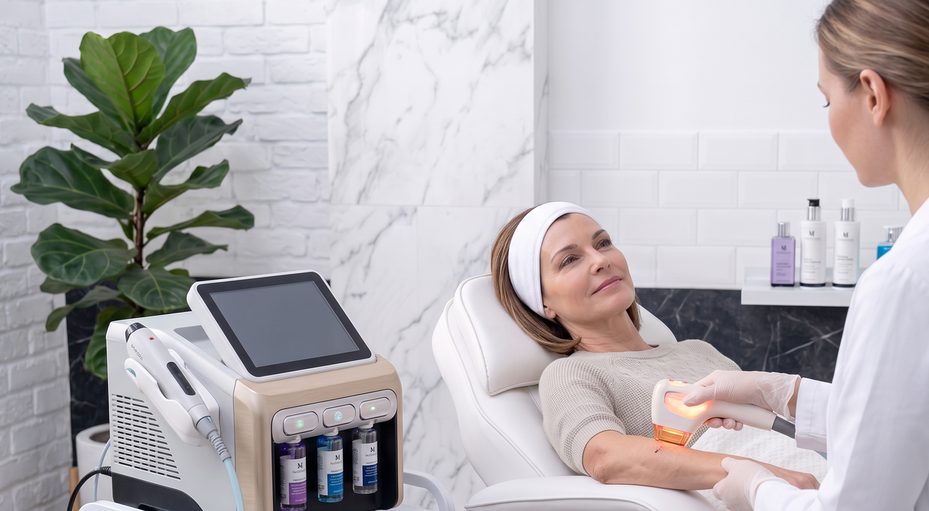
Laser hair removal works completely differently from every method described above, because it does not just remove hair. It targets the follicle itself. Laser hair removal treatment uses concentrated light energy that is absorbed by the melanin, or pigment, inside each hair follicle. That absorbed light converts into heat, which damages the follicle enough to significantly slow or, over a full treatment course, stop it from producing new hair altogether.
This is the key distinction that makes laser treatment fundamentally different from shaving or waxing. With fewer active, functioning follicles left to produce hair, there is simply far less hair available to become trapped beneath the skin in the first place. Fewer hairs growing back means fewer opportunities for a hair to curl or grow sideways into the surrounding skin, which is the entire mechanism behind ingrown hairs. You are not managing the problem more effectively. You are removing most of the raw material the problem depends on.
It typically takes a full course of sessions, generally around six to eight, spaced several weeks apart, to see the full effect, since hair grows in cycles and each session can only treat follicles that happen to be in their active growth phase at that time. But as treatment progresses, most patients notice a genuinely dramatic improvement well before completing the full course, often reporting a significant drop in ingrown hair frequency after just a handful of sessions, well ahead of full completion.
What to Expect During the Process
It is worth setting realistic expectations about the early stages of treatment, since a couple of normal side effects are sometimes mistaken for something going wrong. In the one to two weeks following a session, treated hair does not fall out immediately. It often appears to keep growing briefly, which is actually dead hair being pushed up and out of the follicle through the skin’s natural shedding process. Gentle exfoliation in the shower can help this process along, but it is not something to worry about or attempt to speed up by plucking, which can cause unnecessary irritation.
Some patients also notice mild redness or small bumps concentrated right around the treated follicles in the days immediately following a session. This is a normal, temporary reaction called perifollicular edema, and while it can look a little alarming at first glance, it is harmless, typically resolves on its own within a day or two, and is often a sign that the treatment successfully targeted the follicle.
For patients who already have existing ingrown hairs at the time of their first session, laser treatment will not instantly clear them. Existing ingrowns generally still need to work their way out through gentle exfoliation, the same as they would without laser treatment. What laser hair removal genuinely changes is the likelihood of new ones forming going forward, which compounds with each session as fewer active follicles remain.
Why This Matters So Much in Dubai Specifically
A few realities of life in Dubai make ingrown hairs a particularly common and persistent complaint here, and make laser treatment a particularly well-suited solution for the local population.
Dubai’s climate means most people are shaving, waxing, or otherwise removing hair far more frequently than they would in a cooler climate, simply because more skin is visible more of the year, at the beach, by the pool, or in everyday summer clothing. More frequent hair removal means more frequent opportunity for irritation and ingrown hairs to develop, which compounds the problem over time rather than allowing skin any real recovery window between sessions.
Dubai’s genuinely diverse population also matters here in a very practical way. Naturally curly and coarse hair types, which are significantly more prone to ingrown hairs than straight hair, are common across much of the city’s population, and darker skin tones require more careful laser selection to treat safely and effectively. This is exactly why the specific laser technology a clinic uses matters so much. Longer wavelength lasers, such as Nd:YAG systems, are far less absorbed by melanin in the skin surface itself, which allows them to safely and effectively treat darker skin tones and chronic ingrown hair conditions without the elevated risk of burns or pigmentation changes that older or less versatile laser technology can carry.
Areas most commonly affected by ingrown hairs, including the underarms, bikini area, jawline, and legs, are also some of the most frequently requested treatment areas for Dubai patients seeking laser hair removal treatment for entirely aesthetic reasons in the first place, which is part of why so many patients end up discovering the ingrown hair benefit somewhat by accident.
Who Benefits Most From This Approach
While almost anyone dealing with recurring ingrown hairs can benefit from laser treatment, a few groups tend to see the most dramatic improvement. Patients with naturally curly or coarse hair, who are most biologically prone to ingrown hairs in the first place, often notice the clearest before and after difference once follicle activity is significantly reduced. Patients with a history of chronic ingrown hairs in sensitive areas such as the bikini line, underarms, or jawline, particularly those who have dealt with recurring inflammation, scarring, or dark marks left behind by past ingrowns, tend to see meaningful relief as fewer new hairs emerge to trigger the same cycle.
Patients with darker skin tones who have struggled to find a hair removal method that does not leave behind visible dark marks or scarring also benefit significantly, provided the clinic uses laser technology genuinely suited to their skin type, which is a detail well worth confirming before booking.
Final Thoughts
Ingrown hairs are frustrating precisely because every conventional solution only ever manages the symptoms while leaving the underlying cause completely untouched. Shaving, waxing, and even the best exfoliating routines all leave the hair follicle fully intact and ready to produce the exact same problem again within days or weeks. Laser hair removal is fundamentally different, because it works directly on the follicle itself, gradually reducing the amount of active hair growth that can become trapped beneath the skin in the first place.
If you have spent years managing recurring ingrown hairs without ever addressing the actual cause, it may genuinely be worth exploring laser hair removal ingrown hairs Dubai clinics offer as a long-term solution rather than another short-term fix. At Premium Cosmetic Laser Center, our team can assess your specific hair type, skin tone, and problem areas to recommend the right laser technology and realistic treatment timeline for your situation.
Frequently Asked Questions
Can laser hair removal actually get rid of ingrown hairs permanently?
Laser hair removal is currently the most effective long-term solution available for reducing and largely eliminating recurring ingrown hairs, since it targets and damages the hair follicle itself rather than just removing visible hair. Most patients see a significant, lasting reduction in ingrown hair frequency after completing a full treatment course, typically around six to eight sessions.
How many sessions does it take to see improvement in ingrown hairs specifically?
Many patients notice a meaningful reduction in new ingrown hairs well before completing the full recommended course of sessions, since fewer active follicles means less hair available to become trapped beneath the skin with each session. That said, the fullest, most lasting results typically require completing the entire recommended treatment plan, usually six to eight sessions spaced several weeks apart.
Will laser hair removal help with existing ingrown hairs I already have?
Laser treatment will not instantly clear ingrown hairs that already exist at the time of your session. Existing ingrowns generally still need to work their way out naturally through gentle exfoliation. What laser hair removal changes going forward is significantly reducing how many new ingrown hairs form as fewer active follicles remain to produce hair.
Is laser hair removal safe for treating ingrown hairs on darker skin tones?
Yes, when the right laser technology is used. Longer wavelength lasers, such as Nd:YAG systems, are specifically suited to darker skin tones because they are less absorbed by melanin in the skin’s surface, allowing safe and effective treatment without the elevated risk of burns or pigmentation changes associated with less suitable laser types.
Why do I sometimes see small red bumps after a laser hair removal session?
This is typically a normal, temporary reaction called perifollicular edema, mild inflammation and redness concentrated right around each treated follicle. While it can look similar to irritation at first glance, it is harmless, usually resolves within a day or two, and is often actually a sign that the treatment effectively targeted the follicle.
Which areas of the body are most commonly treated for ingrown hairs with laser hair removal?
The underarms, bikini area, jawline, legs, and neck are among the most commonly treated areas for chronic ingrown hairs, since these areas tend to see the most frequent shaving or waxing and, correspondingly, the highest rate of ingrown hair development. Laser hair removal treatment can be applied to nearly any area of the body where ingrown hairs are a recurring concern.
