
When it comes to improving skin texture, diminishing acne scars, lightening pigmentation, and revitalizing dull skin, chemical peels and microneedling are two of the most sought-after treatments available today.
Both treatments have proven effective and are widely accessible in Dubai, but they operate through distinct mechanisms. Selecting the right treatment depends on several factors, including your skin type, specific concerns, desired outcomes, and how much downtime you can accommodate.
To help you make an informed decision and achieve the best possible results, here’s an in-depth comparison of chemical peels and microneedling.
Understanding Chemical Peels
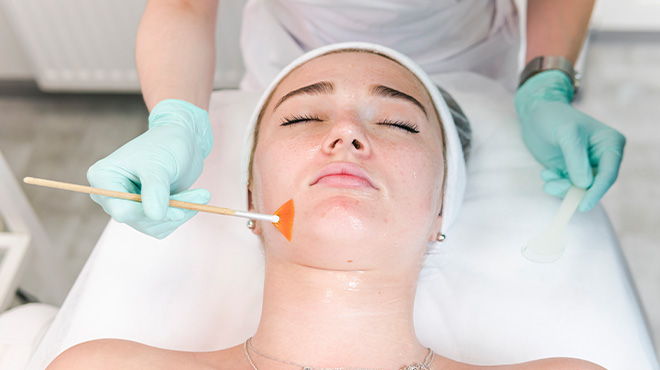
A chemical peel involves the application of a specially formulated solution containing acids such as glycolic acid, salicylic acid, lactic acid, or trichloroacetic acid (TCA) to the skin’s surface. This solution works by exfoliating the outermost layers of the skin, effectively shedding dead skin cells and stimulating the regeneration of fresh, healthier skin cells underneath.
Chemical peels are widely used to address a variety of skin concerns, including:
- Uneven pigmentation and dark spots
- Sun damage and photoaging
- Acne and mild acne scars
- Fine lines and wrinkles
- Rough or dull skin texture
- Uneven skin tone
They come in different intensities, light, medium, and deep depending on the concentration of acids and the depth of skin penetration. The choice of peel strength is tailored to your individual skin condition and treatment goals. The procedure is typically quick, lasting about 20 to 30 minutes, and can be customized to suit your skin’s sensitivity and desired results.
After the peel, the skin may experience redness, peeling, or flaking as the old skin sheds, revealing a refreshed complexion. Proper aftercare, including sun protection and gentle skincare, is essential for optimal healing and results.
How Do Chemical Peels and Microneedling Differ?
The primary difference between chemical peels and microneedling lies in their mechanisms of action and the skin issues they best address.
Chemical peels treatment work on the skin’s surface by removing damaged outer layers, which helps improve pigmentation, surface texture, and overall brightness. They are particularly effective for treating discoloration, sun damage, and superficial skin imperfections.
Microneedling works beneath the surface, stimulating collagen production in the deeper layers of the skin. This makes it more suitable for addressing deeper skin concerns such as acne scars, enlarged pores, and skin laxity.
While chemical peels often provide quicker visible improvements in skin tone and clarity, microneedling offers gradual but longer-lasting enhancements in skin texture, firmness, and elasticity.
Comparison Table: Chemical Peel vs. Microneedling
| Feature | Chemical Peel | Microneedling |
| Mechanism | Exfoliates outer skin layers using chemical acids | Creates micro-injuries to stimulate collagen production |
| Targeted Concerns | Pigmentation, sun damage, fine lines, dullness | Acne scars, enlarged pores, wrinkles, skin laxity |
| Treatment Duration | 20-30 minutes | 30-45 minutes |
| Number of Sessions | 3-6 sessions, depending on peel depth and goals | 3-6 sessions spaced 4-6 weeks apart |
| Downtime | Light peels: minimal; Medium/Deep peels: up to 2 weeks | Mild redness/swelling lasting 1-2 days |
| Pain Level | Mild stinging or burning sensation | Slight pinprick sensation; topical numbing available |
| Results Timeline | Visible within 1 week after peeling | Gradual improvement over weeks to months |
| Effect on Pores | Cleanses and smooths surface pores | Tightens pores by stimulating collagen |
| Skin Types Suitable | Varies by peel type; some peels not suitable for sensitive skin | Suitable for most skin types with proper settings |
| Combination with Other Treatments | Often combined with other facial treatments | Can be combined with serums or PRP for enhanced effect |
| Aftercare Requirements | Avoid sun exposure, use gentle skincare, expect peeling | Avoid sun exposure, gentle skincare, hydration |
Which Treatment Is More Effective for Acne Scars?
Microneedling is generally the preferred choice for treating deep acne scars because it promotes collagen remodeling in the lower layers of the skin, helping to fill in and smooth out scarred areas. It encourages natural skin regeneration and improves overall skin resilience.
Chemical peels can be beneficial for mild acne scars and help reduce pigmentation caused by previous breakouts but may not be as effective for deeper scars. For comprehensive scar treatment, many dermatologists recommend combining both procedures in a structured treatment plan to maximize results.
What About Treating Pigmentation?
Chemical peels are often considered the go-to treatment for pigmentation issues. By exfoliating the skin’s surface, they remove pigmented cells and encourage the development of new, evenly toned skin.
Microneedling can indirectly improve pigmentation by enhancing skin turnover and overall skin health, but it usually takes longer to see noticeable results compared to chemical peels.
Both treatments require proper sun protection post-procedure to prevent further pigmentation issues and protect the new skin.
Recovery Time and Downtime
Light chemical peels typically involve minimal downtime, with slight peeling and redness lasting a few days. Medium and deep peels require longer recovery times, sometimes extending up to two weeks, depending on the peel’s intensity and depth.
Microneedling generally causes redness and mild swelling resembling a sunburn, which usually subsides within 24 to 48 hours. It typically involves less peeling than medium or deep chemical peels.
Both treatments can be tailored to minimize downtime, making them suitable for different lifestyles and schedules. Following your practitioner’s aftercare instructions is crucial to ensure a smooth recovery and optimal results.
Which Treatment Helps Reduce Enlarged Pores?
Microneedling is particularly effective at reducing the appearance of enlarged pores by stimulating collagen production, which tightens and firms the skin around the pores, making them appear smaller and less noticeable.
Chemical peels can improve the appearance of pores by exfoliating the skin and clearing out debris and dead skin cells but do not significantly tighten pore structure.
For those primarily concerned with pore size, microneedling is usually the preferred treatment.
Can These Treatments Be Combined?
Absolutely! Many skincare professionals recommend combining chemical peels and microneedling for enhanced results, especially when addressing multiple skin concerns such as pigmentation, scarring, and texture irregularities.
A customized treatment plan, designed by a qualified dermatologist or skincare specialist, can safely integrate both therapies. This approach maximizes the benefits of each treatment while minimizing potential irritation or downtime.
Choosing the Right Treatment for Your Skin
Your choice depends on your primary skin goals:
- For brighter, more even skin tone and surface-level concerns, chemical peels are often the best choice.
- For improving scars, pore size, skin firmness, and deeper texture issues, microneedling tends to be more effective.
- If you have a combination of pigmentation, scarring, and texture concerns, a combination of both treatments may yield the best outcome.
It’s important to consider your skin type, sensitivity, lifestyle, and any underlying medical conditions. A thorough consultation with a qualified dermatologist or skincare professional will help you select the most appropriate treatment plan tailored to your unique needs.
Final Thoughts
Neither chemical peels nor microneedling is universally superior—they serve different purposes and target different layers and concerns of the skin.
Chemical peels treatment excel at surface-level exfoliation and brightening, while microneedling promotes deeper skin regeneration, collagen production, and texture improvement.
By consulting with a skincare professional, you can determine the most suitable treatment or combination of treatments to help you achieve a radiant, youthful complexion safely and effectively.
Frequently Asked Questions (FAQs)
- How many treatments will I need to see noticeable results?
Typically, a series of 3 to 6 sessions of either chemical peels or microneedling, spaced several weeks apart, is recommended to achieve optimal and lasting improvements. Your skincare provider will tailor the number of sessions based on your skin condition and goals. - Are these treatments painful or uncomfortable?
Both treatments are generally well tolerated. Chemical peels may cause a mild warming or tingling sensation during application, while microneedling can feel like light pinpricks. To enhance comfort, topical numbing creams are often used during microneedling procedures. - Can I undergo both treatments simultaneously?
While both treatments can be part of a comprehensive skincare regimen, it’s best to space them appropriately to allow your skin sufficient time to heal between procedures. Your dermatologist can advise on the ideal scheduling based on your skin’s response. - When can I expect to see improvements after treatment?
Chemical peel results, such as brighter and smoother skin, typically become visible within a week after the peeling phase. Microneedling results develop gradually over several weeks as collagen production increases, with full benefits often noticeable after a few months. - Are there any risks or side effects I should be aware of?
Common side effects include redness, mild swelling, and peeling (especially with chemical peels). Serious complications like infection or scarring are rare when treatments are performed by licensed professionals. Following aftercare instructions is essential to minimize risks. - How should I care for my skin after these treatments?
Post-treatment care includes avoiding direct sun exposure, using gentle skincare products, and applying a broad-spectrum sunscreen daily. Hydration and avoiding harsh chemicals or exfoliants are also important to support healing and maintain results.
