
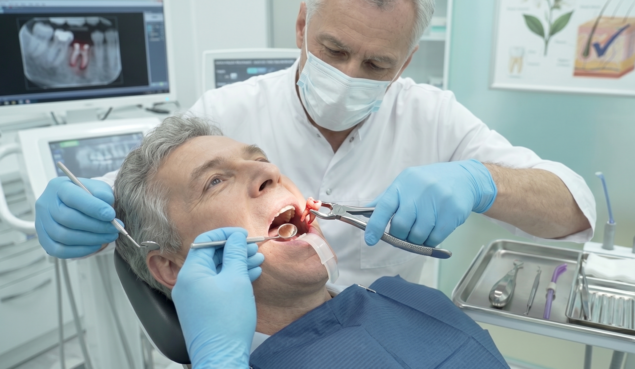
At Premium Cosmetic Laser Center in Dubai, we understand that tooth extraction treatment can raise many questions, especially about eating and recovery. One of the most common concerns patients have is, “Can you eat after tooth extraction?” Proper tooth extraction aftercare in Dubai is essential for a smooth recovery and to prevent complications such as dry socket or infection. In this blog, we explain when and what you can eat after a tooth extraction, along with helpful recovery tips to ensure your healing process goes as smoothly as possible.
Understanding Tooth Extraction and the Healing Process
Tooth extraction treatment is a common dental procedure performed to remove a damaged tooth, wisdom teeth, or in preparation for orthodontic treatment. After the tooth is pulled, the extraction site will have an open tooth socket where a blood clot forms. This blood clot is crucial to the healing process as it protects the bone and nerves underneath and helps prevent infection.
The recovery process after tooth extraction involves managing pain and swelling, keeping the extraction site clean, and following your dentist’s instructions carefully. Tooth extraction aftercare in Dubai focuses on protecting the blood clot and promoting tissue healing around the extraction site. Whether you had a simple extraction or a more complex surgical procedure, following proper aftercare is vital for complete healing.
Can You Eat After Tooth Extraction?
Immediately following tooth extraction, it is normal to experience some bleeding and discomfort. For the first few hours, it is best to avoid eating or drinking to allow a stable blood clot to form. Once the bleeding has lessened, you can start to eat, but it is important to choose the right types of food to avoid disturbing the extraction site.
When to Start Eating
- First Few Hours: Avoid eating or drinking anything for at least 2 hours after the extraction to prevent dislodging the blood clot.
- After Bleeding Stops: You can start with small sips of water or cool, soft foods once light bleeding stops.
- First 24-48 Hours: Stick to soft, cool foods to prevent irritation or damage to the extraction site.
- A Few More Days: Gradually reintroduce solid foods as healing progresses, but avoid crunchy foods or solid foods that require excessive chewing.
What Foods Are Safe to Eat After Tooth Extraction?
Choosing the right foods during your recovery period is a vital part of tooth extraction aftercare in Dubai. Here are some safe options that promote healing and minimize discomfort:
- Soft Foods: Yogurt, mashed potatoes, scrambled eggs, smoothies, and oatmeal are gentle and easy to eat.
- Cool or Lukewarm Foods: Cool foods help reduce swelling, so opt for items like chilled applesauce or lukewarm soups.
- Foods Rich in Nutrients: Nutrient-dense foods like well-cooked vegetables and protein-rich soft foods support tissue repair.
- Avoid Hot Foods and Drinks: Hot foods can dissolve the blood clot and increase bleeding.
- Avoid Crunchy, Hard, or Chewy Foods: Foods like nuts, chips, and chewy bread can irritate the extraction site or dislodge the blood clot.
- Avoid Sticky and Spicy Foods: Sticky foods can get stuck in the extraction area, and spicy foods may cause irritation.
Foods to Avoid During Recovery
To ensure a smooth recovery and prevent complications, avoid the following foods and habits:
- Crunchy and Hard Foods: These can cause pain and delay healing by irritating the extraction site.
- Spicy and Acidic Foods: These may cause discomfort around the extraction area.
- Chewy and Sticky Foods: They can stick to the extraction site and increase the risk of infection.
- Alcohol and Carbonated Beverages: These can interfere with the healing process and increase bleeding risk.
- Using Straws: The sucking motion can dislodge the blood clot and cause dry socket.
- Solid Foods: Avoid solid foods that require heavy chewing until the gum tissue has sufficiently healed.
Additional Recovery Tips After Tooth Extraction
Besides dietary choices, proper tooth extraction aftercare in Dubai involves several key practices to support healing:
1. Control Bleeding
After your tooth extraction treatment, bite firmly on the gauze pad placed over the extraction site for 30 to 45 minutes. This helps form a stable blood clot. If bleeding continues, replace the gauze and maintain gentle pressure. Light bleeding for up to three days is completely normal.
2. Manage Pain and Swelling
Use prescribed pain medications as directed by your dentist. Applying an ice pack or warm compresses to the cheek around the extraction site for 15-minute intervals during the first 24 hours can reduce swelling and discomfort. After 48 hours, switching to warm compresses can promote blood flow and healing.
3. Keep the Extraction Site Clean
Avoid brushing the extraction area for the first 24 hours. After that, gently rinse your mouth with a warm saltwater solution (1/2 teaspoon of salt in 8 ounces of warm water) several times a day to keep the extraction site clean and promote healing. Avoid vigorous rinsing to prevent dislodging the blood clot.
4. Avoid Smoking and Alcohol
Smoking can delay healing and increase the risk of dry socket, a painful condition caused by the loss of the blood clot. Alcohol can also interfere with the healing process and increase bleeding. It is best to avoid both for at least a few days after your extraction.
5. Rest and Avoid Strenuous Activities
Take it easy for at least 24 to 48 hours after tooth extraction. Avoid heavy lifting or strenuous exercise as increased blood pressure can cause excessive bleeding around the extraction site.
6. Use Extra Pillows to Elevate Your Head
When resting or sleeping, use an extra pillow to keep your head elevated. This can help reduce swelling and promote better circulation for faster healing.
7. Stay Hydrated
Drink plenty of water to stay hydrated, but avoid using straws. Staying hydrated aids the healing process and helps keep your mouth clean.
When to Contact Your Dentist
While some pain, swelling, and light bleeding are normal during the recovery period, you should contact your dentist immediately if you experience:
- Excessive bleeding that does not stop after applying pressure
- Severe pain that is not relieved by pain medications
- Signs of infection such as fever, pus, or foul odor from the extraction site
- Dry socket symptoms, including a throbbing pain radiating to your ear or jaw
- Swelling that worsens after 48 hours
At Premium Cosmetic Laser Center in Dubai, our expert dental team is here to support you through your tooth extraction treatment and recovery. We provide clear tooth extraction aftercare instructions and are available to answer any questions to ensure a smooth recovery process.
The Importance of Follow-Up Appointments
Your dentist recommends scheduling a follow-up appointment after your tooth extraction treatment to monitor healing and remove any stitches if necessary. This follow-up ensures that the gum tissue is healing properly and helps prevent complications such as bone loss or infection. At Premium Cosmetic Laser Center, we prioritize comprehensive care to support your oral health throughout the recovery timeline.
Conclusion
Eating after tooth extraction is possible and necessary, but it requires careful attention to the type of food you consume and your overall aftercare routine. Following the guidelines for tooth extraction aftercare in Dubai, including choosing soft, cool foods and avoiding harmful habits, will promote a smooth recovery and prevent complications.
If you have any concerns about your recovery or need tooth extraction treatment, contact Premium Cosmetic Laser Center in Dubai. Our experienced team is dedicated to providing comfortable, effective dental care and personalized advice to help you heal well.
Frequently Asked Questions (FAQs)
1. How soon can I eat solid foods after tooth extraction?
You should avoid solid foods for at least a few days after the extraction. Start with soft foods and gradually reintroduce solid foods as your gum tissue heals and your dentist recommends.
2. Is it okay to drink water right after tooth extraction?
Yes, you can drink water after the initial bleeding stops, but avoid using straws for up to three days to prevent dislodging the blood clot.
3. What should I do if I experience severe pain after tooth extraction?
Severe pain may indicate complications like dry socket. Contact your dentist immediately for pain management and further treatment.
4. Can I brush my teeth after tooth extraction?
Avoid brushing the extraction site for the first 24 hours. After that, gently clean around the area without disturbing the blood clot.
5. How long does it take for complete healing after tooth extraction?
Soft tissue healing usually takes one to two weeks, but complete bone healing under the gum can take several months.
6. Should I avoid alcohol after tooth extraction?
Yes, avoid alcohol for at least a few days after extraction as it can interfere with healing and increase bleeding risk.
7. What is dry socket, and how can I prevent it?
Dry socket occurs when the blood clot is dislodged from the extraction site, exposing bone and nerves. Avoid using straws, smoking, and strenuous activities to prevent it.
Ready to schedule your tooth extraction treatment or learn more about tooth extraction aftercare in Dubai? Contact Premium Cosmetic Laser Center today and let us guide you through a smooth and comfortable recovery.
