
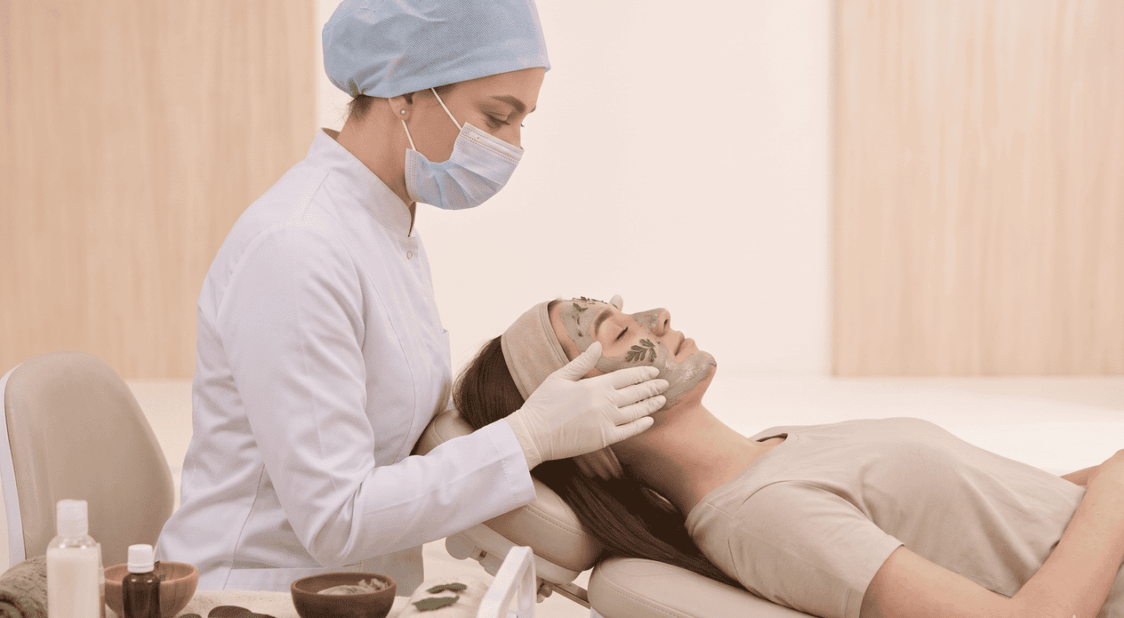
Anyone who lives in Dubai knows the moment. After months of intense heat, the mornings begin to feel pleasant, the evenings turn breezy, and people start eating dinner outside again. November brings the most comfortable weather of the year, and with it a noticeable change in how skin feels. Skin that was oily and sweaty in August may feel tight, dry, or slightly flaky by the end of the month. Lips crack, cheeks look dull, and the moisturizer that worked all summer suddenly seems too light.
This is the time of year when many people start asking about gentler, more nourishing options, and searches for an organic facial Dubai spas and clinics offer tend to rise. It is a sensible instinct, since the skin does change with the seasons, and so should the routine you use to care for it. At Premium Cosmetic Laser Center, we see these seasonal shifts every year, and this guide explains what is happening to your skin in cooler weather, how to adapt your skincare, what an organic facial can and cannot do, and when it makes sense to speak with a dermatologist in Dubai.
What Changes in Your Skin When the Weather Cools
Dubai’s cooler season is mild by most standards, but it is a real shift for skin that has adjusted to long periods of extreme heat. Several things change at once.
Humidity drops. Summer in Dubai is often hot and humid, particularly near the coast, and that moisture in the air helps the skin retain water. As the weather cools, the air generally becomes drier, and the skin loses water more easily. This can lead to tightness, rough patches, and a dull appearance.
Air conditioning and heating add to dryness. Many people spend much of the day indoors in air conditioned spaces, which are drying, and cooler nights may lead to different indoor settings. The combination of indoor and outdoor air can dehydrate the skin.
Oil production may shift. In hot weather, the skin may produce more oil, while in cooler conditions, oil production can decrease for some people, leaving the skin feeling drier than before. People with already dry or sensitive skin tend to notice this most.
The skin barrier works harder. The outer layer of the skin acts as a barrier that holds in moisture and keeps irritants out. When the environment changes, this barrier can become stressed, leading to sensitivity, redness, or flaking.
Sun exposure continues. It is easy to assume that cooler weather means less sun damage, but ultraviolet radiation remains significant in Dubai year-round, and people tend to spend more time outdoors in November. Sunscreen remains essential.
Understanding these changes is the first step to adapting your routine, since each one points to a specific adjustment.
Adapting Your Skincare Routine for Cooler Weather
You do not need to overhaul your entire routine. A few thoughtful changes are usually enough.
Switch to a gentler cleanser
Strong, foaming cleansers that felt refreshing in summer can strip a drier skin of its natural oils. A gentle, hydrating cleanser that cleans without leaving the skin feeling tight is generally a better choice as the weather cools.
Add a hydrating serum for glowing skin
Serums containing humectants such as plant-derived hyaluronic acid, a common option that binds moisture to the skin, and glycerin draw water into the skin, and applying them to slightly damp skin helps. Ingredients such as ceramides and peptides support the skin barrier, and this kind of hydration works well across skin types. A hydrating serum is one of the simplest ways to counter the effects of drier air.
Use a richer moisturizer
The light gel that suited a humid August may no longer be enough. A slightly richer cream that contains ceramides, fatty acids, or other barrier-supporting ingredients helps seal in moisture. If you use one product during the day and another at night, consider a richer formula for the evening.
Keep wearing sunscreen
This is the one step that should not change. A broad-spectrum sunscreen applied every morning protects against ultraviolet damage, which contributes to pigmentation, dullness, and premature aging. In Dubai’s climate, daily sun protection is essential in every season.
Adjust exfoliation
Exfoliating helps remove dull surface cells, but too much of it can damage a barrier that is already stressed by cooler, drier conditions. If your skin feels tight or irritated, reduce how often you use exfoliating acids or scrubs, and choose gentler options. Many people find that once or twice a week is enough.
Introduce active ingredients carefully
Cooler months are a popular time to begin using ingredients such as retinoids, since the sun is somewhat less intense and people may be more consistent with sun protection. However, these ingredients can cause dryness and irritation, particularly at the start. It is best to introduce them gradually, and a dermatologist can advise on the right product and strength for your skin.
Do not forget lips, hands, and body
Skin on the lips, hands, and body can become dry and cracked in cooler, drier weather. Use a lip balm, a hand cream, and a body moisturizer, and avoid very hot showers, which strip the skin of natural oils.
Support your skin from within
Staying hydrated, eating a balanced diet with healthy fats, and getting enough sleep all support skin health, particularly during seasonal changes.
What Is an Organic Facial?
An organic facial is a facial treatment that uses products made from plant-based or naturally derived ingredients, such as botanical extracts, essential oils, clays, and natural butters, rather than relying heavily on synthetic formulations. The treatment generally follows the same basic steps as a conventional facial, including cleansing, exfoliation, massage, a mask, and moisturizing, but with products chosen for their natural origin.
Many people are drawn to organic facials because they feel gentler and more in tune with the idea of caring for the skin naturally. Plant-based ingredients, such as aloe, chamomile, honey, and oat, are often soothing, and a good facial can feel deeply relaxing, which has its own benefits for the skin and the mind.
What an Organic Facial Can Do
An organic facial can be a good way to refresh and hydrate the skin, particularly as the seasons change. A thorough cleanse and gentle exfoliation remove dull surface cells and impurities. Massage improves circulation and promotes relaxation. Hydrating masks and nourishing botanical products help restore moisture, and ingredients such as rosehip seed oil can help improve skin texture and skin tone. Green tea antioxidants help neutralize environmental stressors, support clearer-looking skin, and can enhance protective function, clarity, texture, and tone.
For people with dry or dull skin in cooler weather, a well-chosen facial can provide a visible boost in comfort and radiance, and it can be a pleasant way to reset your skin as the season changes.
What to Know About the Word “Organic”
It is worth approaching the word with some care. The terms organic and natural are not always tightly regulated in skincare, which means products labeled this way can vary widely in what they actually contain. A product may include organic ingredients alongside synthetic ones, or may contain only a small proportion of natural components.
It is also important to understand that natural does not automatically mean safe or gentle. Plant-based ingredients, including essential oils and botanical extracts, can cause allergic reactions or irritation in some people, particularly those with sensitive skin or existing conditions. Some can also increase sensitivity to the sun. Conversely, many synthetic ingredients are well tolerated and carefully tested, and some, such as hyaluronic acid and ceramides, are among the most effective for dry skin.
The practical takeaway is to choose products and providers based on how your skin responds and on the quality of the formulation, not on labels alone. If you have sensitive skin or a history of allergies, tell your provider, ask what ingredients will be used, and ask for a patch test if you have concerns.
What an Organic Facial Cannot Do
Setting realistic expectations matters. A facial, organic or otherwise, is a surface-level treatment, and it cannot correct deeper skin concerns on its own. It will not remove stubborn pigmentation, treat established acne scars, significantly reduce wrinkles, or tighten sagging skin. Persistent acne, ongoing redness, or conditions such as eczema and rosacea need a proper medical evaluation, since they may require prescription treatment.
This is where the expertise of a dermatologist in Dubai becomes valuable. A facial can complement a skin health plan, but it should not replace medical care for a diagnosable condition.
When to See a Dermatologist
Seasonal dryness is common and usually manageable, but certain signs suggest it is worth seeing a dermatologist in Dubai rather than adjusting your routine alone. While facials mainly address surface-level aesthetic concerns, dermatology is a medical field focused on the skin, hair, and nails. These include dryness or flaking that does not improve with moisturizing, persistent redness, itching, or burning, patches of rough or scaly skin, a sudden worsening of acne, a rash after trying a new product, or any new or changing mole or skin lesion; during a visit to a dermatology clinic, some concerns can be assessed the same day, and the doctor may recommend a skin biopsy then and there to assess a concerning mole without a separate appointment.
A dermatologist can identify the cause, whether it is a seasonal change, a barrier problem, an allergy, or another skin condition or disease, including concerns such as skin cancer that need proper diagnosis and treatment. They can also advise on active ingredients such as retinoids, and help you build a routine that suits your skin type and goals. Experienced doctors can guide patients across different age groups toward treatment plans that support healthy skin and overall well-being. After a facial or peel, short-lived itchiness can occur, and in rare cases an allergic reaction may develop, so seek medical advice if symptoms worsen.
November: A Good Time to Think About Cosmetic Dermatology Skin Treatments
Beyond everyday skincare, November is a popular time in Dubai to begin skin treatments. The slightly lower sun intensity and more comfortable weather make many people more willing to start treatments that require sun avoidance and careful aftercare, such as peels, laser treatments, and resurfacing procedures. It is also the start of the busy social season, with weddings, gatherings, and holidays approaching, and many people want their skin to look its best.
If you are considering a procedure, starting early gives you time to complete a course of treatment and allow for healing, rather than rushing before an event. A consultation can help you plan a sensible timeline, and it can clarify whether a facial, a peel, or another treatment suits your goals.
Combining Facials With Other Skin Care
A facial works best as part of a broader approach. Many people use regular facials alongside a consistent home routine, and some combine them with targeted treatments recommended by a dermatologist. For example, a hydrating facial may be paired with an at-home routine focused on barrier repair, or timed between sessions of a more intensive treatment. A professional can help sequence these so that they complement each other rather than compete.
Choosing Where to Have a Facial
The quality of a facial depends heavily on the skill of the practitioner and the suitability of the products, whether you book at a spa or a dermatology clinic. In Dubai, popular spa options often include organic hydrating and deep cleansing facials. Look for a clinic or spa with strong consultation practices and clear services: it should ask about your skin type, sensitivities, any medications, and concerns affecting the skin, hair and nails, explain what products and ingredients will be used, and adapt the treatment to your skin on the day. Be cautious of any provider who makes dramatic promises or who offers the same treatment to everyone regardless of skin condition. Some patients may prefer a best dermatology clinic for access to experienced doctors, broader services, and follow-up care. For anyone looking for an organic facial Dubai offers, it is worth asking about ingredients, hygiene standards, and whether staff are trained to recognize when a skin concern needs medical attention. The city also includes standout spas and beauty retreats, with many luxury hotel spas featuring organic skincare lines. Attentive care and proper equipment also support overall well being.
What to Expect at Premium Cosmetic Laser Center
At Premium Cosmetic Laser Center, we approach skin care as a dermatology clinic as well as a cosmetic provider, with both comfort and clinical care in mind. We begin with a consultation to understand your skin, your concerns, and any sensitivities, and we recommend treatments suited to your needs and the season, supporting patients with both aesthetic concerns and medical skin conditions. If you are looking for an organic facial Dubai residents can trust, we take care to choose gentle, appropriate products, and we are open about what a facial can and cannot do. Our team includes doctors who can advise on more specific concerns, and many clients consider them among the best dermatologists for care across age groups, including the skin, hair and nails, to support healthy skin and overall well-being.
Final Thoughts
Cooler November weather changes how skin behaves, bringing drier air, a stressed barrier, and the need for a richer, gentler routine, while still demanding daily sun protection. Adapting is easy once you know what to look for, with a gentle cleanser, a hydrating serum, a richer moisturizer, careful exfoliation, and sunscreen forming the foundation.
An organic facial can be a pleasant, nourishing addition to your seasonal routine, provided you approach the label thoughtfully, choose products your skin tolerates, and keep realistic expectations. For anything beyond routine dryness, a conversation with a dermatologist in Dubai is the right next step. If you would like help planning your skincare for the cooler months, our team would be glad to help.
Frequently Asked Questions
- Why does my skin feel drier in Dubai’s cooler months?
As the weather cools, humidity generally drops and the air becomes drier, so the skin loses water more easily. Air conditioning adds to this, and the skin barrier can become stressed by the change. The result is often tightness, flaking, and a dull appearance, which a gentler routine with richer moisturizing can help.
- Do I still need sunscreen in November?
Yes. Ultraviolet radiation remains significant in Dubai year-round, and people often spend more time outdoors when the weather is pleasant. A broad-spectrum sunscreen applied every morning remains one of the most important steps for protecting your skin from damage, pigmentation, and premature aging.
- What is an organic facial, and is it better than a regular facial?
An organic facial uses plant-based or naturally derived products in the same basic steps as a conventional facial. It can feel gentle and nourishing, but it is not automatically better or safer. Terms like organic and natural are not always tightly regulated, and natural ingredients can still cause reactions in sensitive skin, so the quality of the products and the suitability for your skin matter most.
- Can I have an organic facial if I have sensitive skin?
Often yes, but it is important to tell your provider about your sensitivities and any allergies beforehand, ask which ingredients will be used, and request a patch test if you are concerned. Some botanical ingredients, including essential oils, can irritate sensitive skin, so choosing products carefully is essential.
- How often should I have a facial?
Many people have one every four to six weeks, which roughly aligns with the skin’s renewal cycle, though the right frequency depends on your skin and goals. A professional can recommend a schedule that suits you, and you may want a facial more often when the seasons change.
- When should I see a dermatologist in Dubai instead of just adjusting my skincare?
See a dermatologist if dryness or flaking does not improve with moisturizing, if you have persistent redness, itching, or burning, patches of scaly skin, a sudden acne flare, a rash after a new product, or any new or changing mole. A dermatologist in Dubai can identify the cause and recommend appropriate treatment.
