
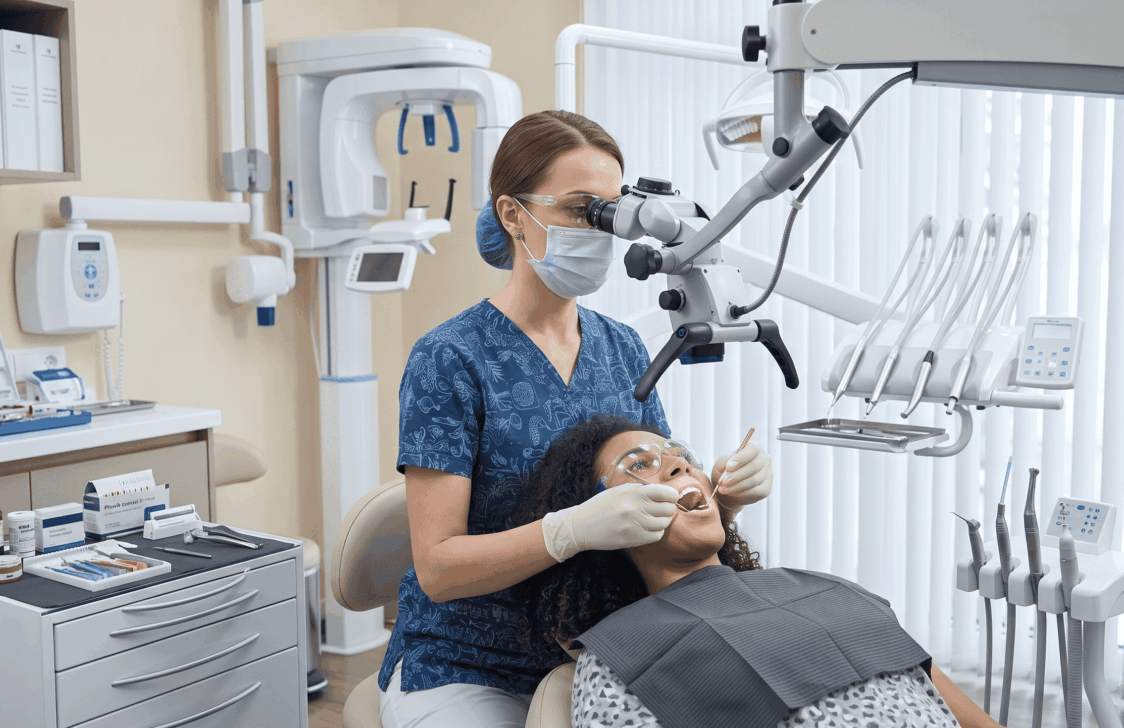
In 2026, Dubai has positioned itself as a hub for advanced dental care. Leading dental clinics across the city, including Premium Cosmetic Laser Center, offer endodontic treatment with cutting edge technology including digital X rays, rotary nickel-titanium instruments, rubber dam isolation, and cone-beam CT scanning. Root canal treatment in Dubai is highly standardized and utilizes advanced techniques, which means patients can expect consistently high-quality care regardless of the specific dental clinic Dubai they choose. This blog will walk you through two critical topics: the signs that suggest you may need a root canal, and what to realistically expect before, during, and after RCT in Dubai.
Key Signs You May Need a Root Canal in Dubai
Recognizing the early warning signs of pulp infection can make the difference between a straightforward root canal and a complicated emergency. If you notice any of the symptoms below, visiting a dental clinic Dubai promptly is the smartest move you can make.
Persistent or throbbing toothache. A severe toothache can indicate the need for a root canal, especially when the pain lingers after eating, wakes you at night, or throbs without any trigger. This kind of tooth pain suggests the infection has moved beyond a simple cavity into the deeper tissues inside the tooth.
Prolonged sensitivity to hot or cold. Everyone gets a quick sting from ice cream now and then, but sensitivity to hot or cold that lasts tens of seconds after the stimulus is removed may signal a deeper problem. This prolonged reaction often points to irreversible damage in the pulp.
Sharp pain when chewing or biting. If biting down on food sends a sharp jolt through one specific tooth, infected tissue or inflammation around the root tip is likely being compressed.
Swollen or tender gums. Gum swelling localized near one tooth, especially when accompanied by tender gums that are sore to touch, can be a sign of infection spreading from the root.
How Dentists in Dubai Diagnose If You Need a Root Canal
Root canal procedures often start with a detailed consultation. The dentist takes a thorough medical and dental history, asking about the onset of pain, what makes it better or worse, any previous dental work on the tooth, and your overall dental health.
Next comes a clinical examination. The dentist visually inspects the tooth for decay, cracks, or discoloration, checks the surrounding gums for swelling or deep pockets, and performs percussion testing by gently tapping on the tooth to check for tenderness. Pulp vitality tests using cold, heat, or a small electric current help determine whether the soft tissue inside the tooth is still alive or has become necrotic.
Clinics frequently use digital radiography for advanced root canal treatment diagnosis. Digital images are taken to determine the extent of the infection during assessment. Standard periapical X rays show the root and surrounding bone, while panoramic images provide a broader view. In complex cases involving curved canals, calcified roots, or suspected hidden anatomy, some Dubai clinics use cone-beam CT scans for a three-dimensional view of the tooth roots and surrounding structures.
After these assessments, the dentist or specialist endodontist explains whether you truly need a root canal, whether a dental filling or pulp capping procedure might suffice, or whether extraction is the only viable option.
What to Expect During Root Canal Treatment Dubai
If you have been told you need a root canal, here is what actually happens in a modern dental clinic Dubai setting. Root canal therapy is performed under effective local anesthesia, so the procedure usually feels similar to getting a long dental filling and is designed to relieve pain rather than cause it.
Here is the typical step-by-step root canal procedure:
- Numbing the tooth. Local anesthesia is used to ensure comfort during the root canal procedure. The dentist applies a numbing gel before injection to prevent unnecessary discomfort, and waits until the area is completely tooth numbed before proceeding.
- Rubber dam placement. A rubber dam is used to keep the tooth dry during treatment, isolating it from saliva and bacteria. This small sheet of material is essential for maintaining a sterile working environment.
- Access opening. The dentist creates a small access opening through the crown of the tooth to reach the pulp chamber.
- Removing the infected pulp. The dentist removes infected pulp from the narrow canals using specialized hand files or rotary instruments. Rotary instruments are often used for greater precision during cleaning, allowing the dentist to shape the canals efficiently while preserving as much natural tooth structure as possible.
- Cleaning and disinfection. Antimicrobial solutions are used to flush the hollow canals for disinfection, eliminating bacteria from every surface. Solutions like sodium hypochlorite and EDTA are standard. Some clinics also use ozone gas, which can kill bacteria in root cavities, as an adjunctive disinfection method.
- Filling the canals. The root canals are filled with gutta percha, a biocompatible rubber-like material, along with a sealer to create a tight, permanent filling that blocks bacteria from re-entering.
- Sealing and restoration. The access hole is sealed with either a temporary filling or a permanent restoration, depending on whether a dental crown will be needed.
How Many Visits Does RCT in Dubai Usually Take
One of the most common questions patients ask is how many visits they will need. The short answer: root canal treatment typically requires 1-2 visits, but it depends on the tooth and the severity of infection.
| Tooth Type | Typical Visits | Appointment Length |
| Front teeth (incisors, canines) | 1 visit | 60-90 minutes |
| Premolars | 1-2 visits | 45-90 minutes |
| Molars | 2-3 visits | 60-90 minutes per session |
| Retreatment cases | 2-3+ visits | 60-90 minutes per session |
Choosing the Right Dental Clinic Dubai for Root Canal Treatment
Not all dental clinics offer the same level of endodontic treatment. Here are the factors that matter most when selecting a clinic for RCT in Dubai:
Dentist qualifications. Check whether the treating dentist is a dental specialist or specialist endodontist registered with the DHA. For molar treatments, retreatments, or complex cases, specialist training makes a measurable difference in outcomes. Dubai endodontists with advanced fellowship training are equipped to handle the most challenging root anatomy.
Technology and equipment. Look for clinics that use advanced technology including digital X rays, rubber dam isolation, rotary instruments, electronic apex locators, and ideally microscope-assisted endodontic treatment. These tools support an accurate diagnosis and more precise treatment, and they are increasingly standard at leading dental clinics in Dubai.
Transparency and pricing. Ask for an itemized treatment plan that breaks down consultation, imaging, the root canal procedure, temporary and permanent filling, and dental crown costs. Knowing exactly what is included helps you compare clinics fairly and meet your dental needs without surprises.
Preventing Future Root Canal Problems
The best root canal is one you never need. Here are practical steps to protect your oral health and reduce your risk:
- Regular checkups. Visit your dentist every six months for examination and professional cleaning. These visits catch decay early, long before it reaches the pulp.
- Daily hygiene. Brush twice a day with fluoride toothpaste, floss at least once daily, and consider interdental brushes or a water flosser for hard-to-reach areas.
- Diet awareness. Limit frequent sugary drinks, sweets, and acidic snacks. Choose water, sugar-free chewing gum, and balanced meals that support strong teeth.
- Protective gear. Wear a custom mouthguard during contact sports. If you clench or grind your teeth at night, ask your dentist about a night guard to prevent cracks that can expose the pulp.
- Timely treatment. Do not ignore a small cavity or a chip. Treating minor issues early prevents them from becoming major problems that require root canal treatment or worse.
Protecting your dental health today with these simple habits is the most reliable way to avoid emergency canal treatment in the future.
Final Thoughts on Root Canal Treatment in Dubai
Root canal treatment in Dubai is a common procedure that offers a reliable solution for saving badly infected or damaged teeth. Thanks to advanced endodontic care available at leading dental clinics Dubai-wide, patients can expect a comfortable experience with a high success rate. Addressing symptoms early, such as persistent tooth pain, swollen gums, or changes in tooth color, can prevent further infection and the need for more invasive treatments like dental implants or partial dentures.
While the root canal treatment cost varies depending on the tooth and complexity, investing in this procedure is often the best course for preserving your natural teeth and maintaining long term success. With proper aftercare and timely crown placement, a treated tooth can function normally for many years, helping you avoid extraction and maintain your oral health.
If you suspect you may need RCT in Dubai, consult a qualified endodontist promptly to ensure the best outcome for your dental condition. For expert care and personalized treatment plans, consider visiting Premium Cosmetic Laser Center, a trusted name in root canal treatment Dubai.
Frequently Asked Questions About Root Canal Treatment Dubai
Can I fly soon after having a root canal in Dubai
Most patients can safely fly within 24 to 48 hours after an uncomplicated root canal. The pressure changes in airplane cabins rarely affect a properly sealed tooth. If possible, schedule your final appointment a day or two before a long flight, and avoid very hard foods during travel if your permanent crown has not yet been fitted.
Is it safe to have root canal treatment during pregnancy
In many cases, root canal treatment is safe during pregnancy, especially during the second trimester. Dentists in Dubai use lead aprons and limit X ray exposure to essential images only, choosing digital X rays that deliver lower radiation doses. Untreated dental infection and severe tooth pain can themselves be stressful for both mother and baby, so necessary dental care should not be automatically postponed.
What happens if I delay or avoid a recommended root canal
Postponing canal treatment usually allows the dental infection to spread deeper into the bone and surrounding tissues. This can cause intense pain, swelling, and in serious cases facial cellulitis or fever, which may require hospitalization.
Can a tooth that has already had a root canal be treated again
Endodontic retreatment is sometimes possible when a previously treated tooth develops new infection, recurrent decay, or a problem with the existing canal filling. A specialist orthodontist or specialist endodontist in Dubai can remove old canal material, locate missed canals, and clean and refill the roots using advanced techniques and magnification.
Will my root canal treated tooth look different from my other teeth
With modern restorative materials and a properly matched dental crown or composite filling, a root canal treated tooth normally blends in seamlessly. If the tooth had darkened due to long-term infection, internal bleaching or a carefully selected porcelain or zirconia crown can restore the color.
