
Walk through any beauty directory in Dubai and you will find an overwhelming menu of facials. There are organic facials, oxygen facials, hydrating facials, brightening facials, anti-ageing facials, and a growing list of medical facials performed in clinics. They all promise glowing, healthier-looking skin, and most of them sound lovely. But they are not the same, and choosing the wrong one for your skin concern can mean wasted money, disappointing results, or in some cases irritated skin.
The central question is whether you need a gentle, spa-style facial or a clinical one. The answer depends almost entirely on what you want to achieve. A relaxing facial with plant-based products can be a lovely way to refresh tired skin. But if you are dealing with persistent acne, pigmentation, scarring, or visible signs of ageing, the biology of those concerns usually calls for something stronger and more targeted.
This guide explains what organic facial Dubai spas and clinics typically offer, what an oxygen facial dubai guests often choose, what a medical facial involves, how each compares across common skin concerns, and how to decide. It reflects how we think about facial care at Premium Cosmetic Laser Center.
What Is an Organic Facial?
An organic facial is a facial treatment that uses natural, plant-based, or certified-organic skincare products, usually in a calming, spa-like setting. A typical session includes cleansing, gentle exfoliation, steam or warm towels, a facial massage, a mask, and moisturizer or serum.
The appeal is easy to understand. Many people prefer products with ingredients they recognize, and the massage and relaxation are genuinely enjoyable. For healthy skin that simply needs refreshing, hydration, and a break, an organic facial can be a pleasant and low-risk option.
There are a few things worth knowing before you book an organic facial Dubai providers offer.
The word organic is used loosely. In many beauty markets, the term is not tightly regulated for cosmetics, and it can mean anything from genuinely certified products to simply having a few botanical ingredients. If it matters to you, ask what certification the products hold.
Natural does not automatically mean gentle. Plant-based ingredients, including essential oils and citrus extracts, can irritate sensitive skin or trigger allergic reactions in some people. Natural and safe are not synonyms.
The effect is mostly surface level. Organic facials improve how skin looks and feels in the short term, through cleansing, hydration, and massage. They generally do not change the underlying structure of the skin, so they are less effective for concerns that originate deeper, such as scarring, stubborn pigmentation, or loss of collagen.
None of this makes organic facials a bad choice. It simply defines what they are good for: maintenance, relaxation, and a gentle glow, not correction.
What Is an Oxygen Facial?
An oxygen facial is a popular, no-downtime treatment that delivers an oxygen-enriched mist or serum onto the skin, usually through a pressurized device, often alongside cleansing, exfoliation, and a hydrating infusion. Guests who search for an oxygen facial dubai spas and clinics offer typically want an instant, comfortable pick-me-up.
What it does well is temporary. The skin often looks plumper, brighter, and more hydrated immediately afterward, which is why oxygen facials are a favourite before events or after travel. They are gentle, require no recovery time, and suit most skin types.
What to keep in mind is that the evidence for lasting benefits is limited. The glow comes largely from hydration and the infusion of serums, and it tends to fade within days. It is a nice treat and a useful event-day option, but it is not a treatment for acne scars, deeper pigmentation, or established lines.
What Is a Medical Facial in Cosmetic Dermatology?
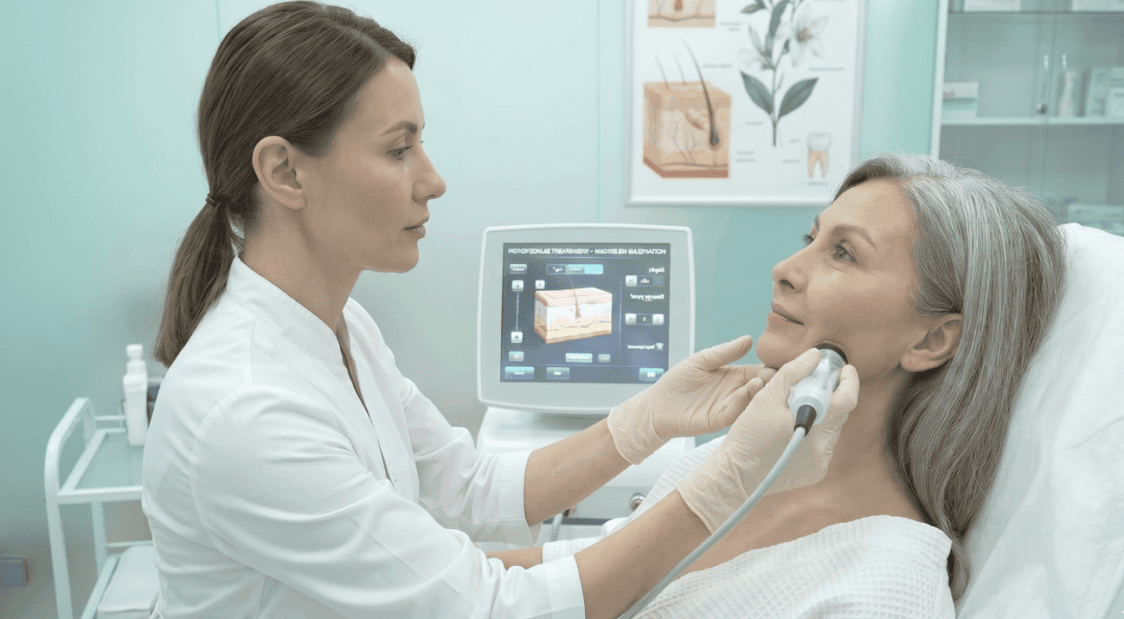
A medical facial, sometimes called a clinical facial, is performed in a medical setting using medical-grade actives or devices, under the guidance of a qualified practitioner. Within dermatology, it sits within broader medicine for the skin, hair and nails rather than functioning only as a spa-style treatment; that same medical setting can also assess concerns such as acne, eczema, and skin cancer, and it aims to produce measurable changes in the skin.
Examples of treatments that fall into this category include:
Hydrafacial. A multi-step treatment that cleanses, exfoliates, extracts congestion, and infuses serums using a specialized device. It is more active than a typical spa facial while still being comfortable and requiring no downtime.
Chemical peels. Controlled application of acids that exfoliate the skin’s surface layers, improving texture, pigmentation, and congestion. Peels range from superficial to deeper, with downtime varying accordingly.
Laser carbon peel. A carbon solution applied to the skin and then treated with a laser, which cleans pores, refines texture, and brightens the complexion, with essentially no downtime.
Microneedling and RF microneedling, with or without PRP. Fine needles create tiny channels in the skin to stimulate collagen, sometimes combined with radiofrequency energy or growth factors from your own blood, for scarring, texture, and early ageing.
Laser treatments. Devices that target pigment, redness, or collagen for specific concerns.
The common thread is that these treatments are chosen, adjusted, and performed according to your skin’s needs, and they act on deeper layers than a surface facial can reach. That makes them more effective for many concerns, and also means they carry more potential for irritation if chosen or performed poorly, which is why assessment matters. If a concerning lesion or mole is identified in a medical setting, a skin biopsy may sometimes be arranged the same day.
Organic Facial vs Medical Facial: A Direct Comparison
| Factor | Organic facial | Oxygen facial | Medical facial |
| Main aim | Relaxation, gentle refresh | Instant hydration and glow | Targeted correction of skin concerns |
| Typical products or tools | Plant-based products, massage | Oxygen-enriched infusion | Medical-grade actives, devices, peels |
| Depth of effect | Surface | Surface | Surface to deeper layers |
| Downtime | None | None | None to several days, depending on treatment |
| Best for | Maintenance, relaxation | Pre-event glow, dehydrated skin | Broader skin conditions, including acne, pigmentation, scars, ageing |
| Risk of irritation | Low, but possible with sensitive skin | Low | Higher if mismatched or poorly performed |
| Longevity of results | Short term | Short term | Longer term, builds with a series |
| Assessment by a qualified practitioner | Not usually | Not usually | Recommended |
Which Approach Fits Which Skin Type or Concern?
Dull or dehydrated skin
If your skin simply looks tired or dry, a gentle option often fits well. An organic or oxygen facial can deliver hydration and radiance, and a Hydrafacial offers a more thorough step up with deeper cleansing and serum infusion. If dehydration is chronic, a consultation can check for an underlying cause and suggest a plan that includes daily skincare.
Acne and congestion
Active or recurring acne generally needs a more targeted approach. Surface facials can feel refreshing but rarely address the underlying causes, such as oil production, bacteria, and inflammation. Medical options such as peels, specific laser or light treatments, and prescribed skincare can be more effective. Harsh or poorly chosen treatments, however, can aggravate acne, which is another reason for a proper assessment.
Pigmentation and uneven tone
Dark spots, melasma, and post-acne marks are driven by excess pigment in the skin, and spa facials seldom shift them meaningfully. Peels, carefully selected laser treatments, and a sun-protection routine are usual parts of a medical approach. In deeper skin tones, treatments must be chosen carefully to avoid triggering more pigmentation.
Acne scarring and texture
Scars are structural, so they need treatments that stimulate collagen, such as microneedling, RF microneedling, and fractional laser. Organic and oxygen facials may improve the look and feel of the skin’s surface, including smoother skin texture, but will not meaningfully change true acne scarring.
Fine lines and early ageing
Hydration can soften the look of fine lines temporarily, but for broader aging concerns and wrinkles, lasting improvement generally calls for collagen-stimulating treatments such as microneedling, RF, peels, or lasers, sometimes alongside injectables. Organic and oxygen facials can complement these as maintenance but are not a substitute.
Sensitive, reactive, or rosacea-prone skin
This group needs care. Gentle facials may feel soothing, but fragrances and essential oils in some organic products can trigger reactions. Medical treatments may help certain conditions, such as visible redness, but must be selected carefully. A dermatologist’s guidance is the safest route.
Pre-event Glowing Skin
If you want to look radiant for a specific occasion with no downtime, an oxygen facial, a Hydrafacial, or a laser carbon peel are all commonly chosen, and if you’re also booking hair services that use steam, it’s best to do those before the facial even on the same day. Try any new treatment well ahead of the event rather than the day before, to see how your skin responds.
Skin Tone and the Dubai Factor
Dubai’s environment shapes skin concerns in specific ways. Intense year-round sun contributes to pigmentation, uneven tone, and premature ageing. Air conditioning and heat dehydrate the skin barrier. Ingredients such as green tea are often used in facials to help neutralize environmental stressors on skin and support a healthier appearance. Summer humidity and sweat can aggravate congestion. These factors mean that sun protection and hydration are part of any plan, whichever facial you choose.
The city’s diverse population also matters, because treatment choice varies across age groups and patient profiles, not just skin tone. Deeper skin tones are more prone to post-inflammatory hyperpigmentation after treatments that irritate or inflame the skin, so stronger medical facials need to be chosen and calibrated carefully. This is not a reason to avoid them, but it is a strong reason to consult a dermatologist in Dubai rather than choosing a treatment by name alone.
Can You Combine Organic and Medical Approaches?
Often, yes, and it can be an excellent strategy. Many people use a medical series, such as a course of peels or microneedling sessions, to address a specific concern, then maintain results with gentler facials in between and at-home skincare. Others alternate a relaxing organic or oxygen facial with a clinical treatment every few weeks.
A few principles keep this safe. Do not stack aggressive treatments too close together. Avoid exfoliating facials or strong actives in the days immediately before or after a medical treatment unless your practitioner advises otherwise. And always tell each provider what you are using or have recently had, so treatments are timed sensibly.
How to Decide: Five Questions to Ask Yourself
- What is my main goal: relaxation, a temporary glow, or correcting a specific concern?
- How long should results last: a few days, or months and beyond?
- How much downtime can I accept?
- Is my skin sensitive, acne-prone, or prone to pigmentation?
- Do I want a one-off treat or an ongoing plan?
If your answers lean toward relaxation and a short-term glow, an organic facial Dubai spas provide, or an oxygen facial dubai guests enjoy, may be exactly right. If they lean toward correction and longer-lasting change, a medical facial guided by an assessment is more likely to deliver.
Red Flags to Watch For
Be cautious of any provider who promises dramatic, permanent results from a relaxing surface facial. Be wary of treatments offered without any assessment of your skin. Treat claims that organic means automatically safe or hypoallergenic with scepticism. Short-term reactions can include itchiness, and any side effects that persist should be reviewed by a dermatologist. Question aggressive packages that push many treatments at once. And avoid any treatment that is not performed by a qualified, licensed practitioner when it involves peels, devices, or needles.
What to Expect From a Consultation at a Medical Clinic
A proper consultation at a dermatology clinic should be carried out by qualified doctors or dermatology practitioners and include an examination of your skin, a discussion of your concerns, goals, and medical history, an assessment of your skin type and tone, and a clear explanation of which treatments suit you and why; because dermatology also covers hair and nails, the review may include related concerns beyond the facial itself. Good plans are personalized for patients based on skin type, history, and lifestyle. You should also hear honestly what results are realistic, how many sessions are likely, what the downtime is, and what aftercare is needed. If a clinic cannot explain why it recommends a specific treatment, consider seeking a second opinion. A consultation should also distinguish medical dermatology needs from aesthetic concerns when recommending treatment.
What to Expect From an Organic Facial in November
A professional organic facial uses plant-based skincare products to cleanse, exfoliate gently, nourish, and hydrate the skin. Dubai has several wellness centers offering organic facial treatments, including luxury hotel spas with sessions centered around certified organic skincare. When comparing options, ask which products are used, whether they are certified, and how the treatment will be adapted for your skin.
A standard organic facial usually lasts 60 to 75 minutes. Extended sessions with additional steps may take up to 90 minutes. The process commonly includes cleansing, an assessment of your skin, gentle exfoliation, a mask, facial massage, and moisturizer or serum. The exact steps vary by provider and by your skin’s needs.
Organic facials use plant-based, non-toxic ingredients and may feature cruelty-free, ethically sourced, and biodegradable products. Look for clear information about ingredients, because the word “organic” can be used loosely. Natural ingredients are not automatically suitable for everyone, and botanical extracts or essential oils can irritate reactive skin. A qualified provider should ask about allergies, current skincare, and any recent procedures before beginning.
Choosing a Provider and Setting Realistic Expectations
Choose a provider who explains the products and adapts the facial to your skin instead of promising dramatic or permanent results. Ask about the practitioner’s training and expertise, the treatment duration, and what you should avoid afterward. A good consultation should consider your medical history, allergies, skin type, current routine, and recent treatments.
An organic facial can help achieve smoother-feeling, more hydrated skin and a refreshed appearance. Results are generally focused on the skin’s surface and may be temporary. The treatment will not address unrelated conditions such as hair loss, alopecia areata, or stretch marks. If you have these or other medical concerns, seek advice from an appropriate clinician rather than expecting a facial to treat them.
For people who travel or live across Dubai, convenience may also influence where to book, whether near Sheikh Zayed Road or in areas such as Al Quasis. Location matters less than choosing a reputable provider who can answer questions clearly and provide suitable care. If a skin concern is painful, worsening, or not healing, seek medical advice before booking a cosmetic treatment.
At Premium Cosmetic Laser Center, the goal is to match care to your skin rather than select a treatment by name alone. A dermatologist in Dubai can assess whether a gentle organic facial, a different skincare plan, or a medical treatment is appropriate. This helps you enjoy seasonal skincare while keeping expectations realistic and protecting your skin barrier.
Final Thoughts
Organic facials, oxygen facials, and medical facials each have a place, and none is simply better than the others. A gentle organic or oxygen facial can refresh tired skin and make you feel pampered. A medical facial can change how your skin looks and behaves over time. The difference lies in what you are trying to achieve.
If you are not sure which fits your skin, start with an assessment. Book a consultation at Premium Cosmetic Laser Center and let our dermatologists recommend the approach that matches your skin concerns, your goals, and your life in Dubai.
Frequently Asked Questions
- Is an organic facial better than a medical facial?
Neither is better in every case. An organic facial suits relaxation, hydration, and gentle maintenance for healthy skin, mainly improving the skin’s immediate appearance rather than deeper issues. A medical facial is generally better for correcting concerns such as acne, pigmentation, scarring, and ageing. The right choice depends on your goals.
- Will an oxygen facial give long-lasting results?
Oxygen facials usually give a temporary improvement in hydration and glow that lasts a few days. They are popular before events but are not designed to correct scarring, deeper pigmentation, or established lines.
- Are natural or organic products safe for sensitive skin?
Not automatically. Plant-based ingredients, including essential oils and some extracts, can irritate sensitive skin or cause allergic reactions. If symptoms persist, seeing a dermatologist can support overall skin health. If your skin is sensitive, tell your provider and consider a patch test or a consultation with a dermatologist.
- What is a medical facial, and does it hurt?
A medical facial uses medical-grade products or devices to target specific skin concerns. Comfort varies by treatment. Many, such as Hydrafacial, are comfortable with no downtime, while peels, microneedling, and laser treatments can cause temporary redness or mild discomfort. Your practitioner will explain what to expect.
- Can I alternate between an organic facial and a medical treatment?
Yes, many people do. A medical series can address a concern, while gentler facials help with maintenance between sessions. Avoid scheduling exfoliating or active facials immediately before or after a medical treatment unless your practitioner advises it.
- How do I know which facial is right for my skin in Dubai?
Book a consultation with a dermatologist or qualified clinical practitioner who can assess your skin type, tone, and concerns. Factors such as sun exposure, air conditioning dryness, and skin tone all influence the choice, so personalized advice is more reliable than choosing by treatment name.
Not sure which facial is right for you? Book your skin consultation at Premium Cosmetic Laser Center today.How Cooler November Weather Affects Your Skin in Dubai
