
Hair loss affects millions of people worldwide, and in Dubai, where lifestyle factors, stress, and genetics all play a significant role, many individuals are actively exploring advanced and effective solutions. One of the most talked-about and sought-after options is PRP hair treatment (Platelet-Rich Plasma). But with newer therapies emerging constantly, the question many people ask is: “Is PRP hair treatment still worth it in 2025?”
This comprehensive guide breaks down what PRP is, how it works, what kinds of results you can realistically expect, and whether it remains a valuable and reliable hair loss solution in today’s evolving aesthetic and medical landscape.
What Is PRP Hair Treatment?
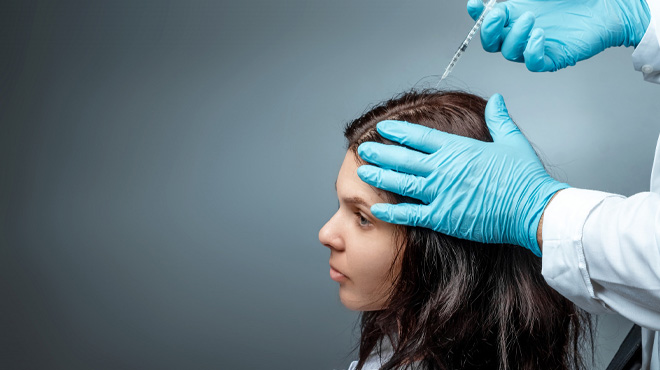
PRP (Platelet-Rich Plasma) hair treatment is a minimally invasive procedure that involves drawing a small sample of your own blood, processing it in a specialized centrifuge to concentrate the platelets, and then injecting that platelet-rich plasma directly into the scalp.
Platelets contain a high concentration of growth factors that:
- Stimulate hair follicle activity and regeneration
- Support healthier and stronger hair growth
- Improve scalp microcirculation and overall scalp health
This makes PRP a natural, autologous approach (meaning it uses your own blood) to support and enhance hair health without introducing foreign substances.
How Does PRP Work for Hair Loss?
Unlike treatments that simply mask symptoms, PRP therapy works by encouraging your existing hair follicles to enter a more active and prolonged growth phase. When injected into areas of thinning or receding hair, the growth factors contained in PRP aim to:
- Increase blood supply and nutrient delivery to hair follicles
- Extend the anagen (growth) phase of hair cycles
- Reduce the miniaturization and weakening of hair strands
In 2025, PRP remains one of the most common and scientifically supported non-surgical hair rejuvenation treatments offered globally, valued for its ability to promote natural hair regrowth.
PRP Hair Treatment in Dubai: What to Expect
In Dubai’s advanced aesthetic market, PRP hair treatment is performed by experienced clinicians and typically involves a series of steps designed to maximize results:
- Consultation & Scalp Assessment
A specialist will evaluate your pattern and extent of hair loss, scalp condition, and overall health to determine your suitability for PRP therapy. - Blood Draw & Preparation
A small amount of your blood is drawn and carefully processed in a centrifuge to separate and concentrate the platelets. - Scalp Injection or Microneedling Delivery
The platelet-rich plasma is strategically injected or applied with microneedling across thinning and affected areas of the scalp to stimulate follicle activity. - Multiple Sessions
Most treatment protocols recommend 3–4 sessions spaced 4–6 weeks apart, followed by maintenance treatments every 4–6 months to sustain and enhance results.
The procedure itself typically takes about 30–60 minutes and involves minimal downtime, allowing most patients to resume normal activities shortly afterward.
Results Timeline: When Do You See Changes?
It’s important to understand that PRP does not deliver instant results — this is a biological and gradual process.
Typical expectations for visible improvements include:
- 4–6 weeks: Early improvement in scalp health and reduced inflammation
- 3 months: Noticeable increase in hair thickness and density
- 6 months: Fuller improvement with reduced hair shedding and stronger hair strands
Each individual responds differently based on factors like genetics, overall health, and the extent of hair loss.
Is PRP Worth It in 2025?
To answer the big question…
Yes, PRP hair treatment remains a valuable, evidence-based, and effective option in 2025 especially for those experiencing early-stage hair thinning or looking to maintain existing hair.
Why It’s Still Relevant:
✔ Non-surgical and low-risk with minimal side effects
✔ Uses your body’s own natural growth factors to stimulate hair regrowth
✔ Suitable for both men and women of various ages
✔ Can be combined safely with other therapies such as laser treatments, topical medications, or hair transplantation
Limitations to Consider:
❌ Not a guaranteed cure for advanced or complete baldness
❌ Results vary by individual and depend on consistent maintenance
❌ Requires multiple sessions and ongoing treatments to maintain benefits
❌ Takes time — patience is necessary to see visible improvements
In short, PRP is worth it if your goal is slowing hair loss, improving hair thickness, and enhancing scalp health rather than expecting complete restoration of lost hair.
PRP vs Other Hair Restoration Options
In recent years, the hair restoration landscape has expanded significantly and now includes:
- Low-Level Laser Therapy (LLLT): Devices that stimulate follicles using light energy
- Hair growth medications: Such as finasteride and minoxidil, which target hormonal and follicular factors
- Stem cell or growth-factor treatments: Emerging biological approaches aiming to regenerate follicles
- Hair transplantation: Surgical restoration of hair follicles from donor areas
PRP often acts as a complementary therapy alongside these options — enhancing outcomes, supporting follicle health, and maintaining results over time rather than replacing them entirely.
Safety and Side Effects
PRP is generally well-tolerated because it uses your own blood, minimizing the risk of allergic reactions or rejection. Occasional side effects include:
- Mild swelling or redness at injection sites
- Temporary soreness or tenderness in the treated area
- Minor bruising at injection points
Serious complications are extremely rare when PRP is performed by trained and certified professionals using sterile techniques.
Cost of PRP Hair Treatment in Dubai (2025)
Costs can vary widely based on factors such as clinic reputation, practitioner experience, and the number of sessions required. In Dubai, typical pricing ranges are:
- Single session: Around AED 1,000 – AED 2,500
- Package (3–4 sessions): AED 3,000 – AED 7,500
Packages often offer the best long-term value, especially when factoring in follow-up and maintenance sessions.
Who Is a Good Candidate?
PRP is most effective for individuals who:
- Are in the early stages of hair thinning or have mild to moderate hair loss
- Have stable overall health with no active scalp infections or diseases
- Are seeking a natural, non-surgical option to enhance hair density and quality
- Understand that PRP supports hair health but is not a miracle cure
A professional consultation is always recommended to tailor expectations, assess your unique condition, and design a personalized treatment protocol.
Final Thoughts: PRP in 2025
In 2025, PRP hair treatment in Dubai remains a valid, safe, and worthwhile option for many people seeking a natural, non-surgical way to support hair health and density. While it is not a miracle cure for complete baldness, for the right candidate, it can slow hair shedding, improve thickness, and enhance overall scalp vitality.
If you’re considering PRP, the best first step is a tailored consultation with an experienced specialist — someone who can carefully assess your hair loss pattern, discuss realistic expectations, and build a personalized plan that fits your needs.
Remember, PRP isn’t just about treating hair loss — it’s about supporting healthier hair growth and maintaining the vitality of your scalp, making it a treatment worth exploring in 2025 and beyond.
Frequently Asked Questions (FAQs)
- How many PRP sessions are typically required for optimal results?
Most treatment plans involve 3–4 initial sessions spaced 4–6 weeks apart, followed by maintenance treatments every 4–6 months to sustain and improve results over time. - Is PRP hair treatment painful or uncomfortable?
The procedure involves injections or microneedling, which may cause mild discomfort, tingling, or soreness, but it is generally well-tolerated. Topical numbing creams can be applied beforehand to minimize any discomfort. - Can PRP be safely combined with other hair loss treatments?
Yes, PRP is often used alongside other therapies such as laser treatments, topical medications like minoxidil, or even hair transplantation to enhance overall outcomes and support hair follicle health. - Are the results from PRP permanent?
PRP promotes natural hair growth but is not a permanent cure. Results can last several months, but ongoing maintenance treatments are typically necessary to maintain benefits. - Who should avoid PRP treatment?
Individuals with active scalp infections, blood clotting disorders, platelet dysfunction syndromes, or certain medical conditions should avoid PRP. A thorough medical consultation will determine your suitability. - How soon can I return to normal activities after PRP treatment?
Most patients can resume normal daily activities immediately after the procedure. Minor redness or swelling may occur but typically resolves within a day or two. - Does PRP work for all types of hair loss?
PRP is most effective for androgenetic alopecia (pattern hair loss) and early-stage thinning. It may be less effective for complete baldness or scarring alopecias.
